
Review · ROME
Exclusive cooking class in Roman countryside with local chef
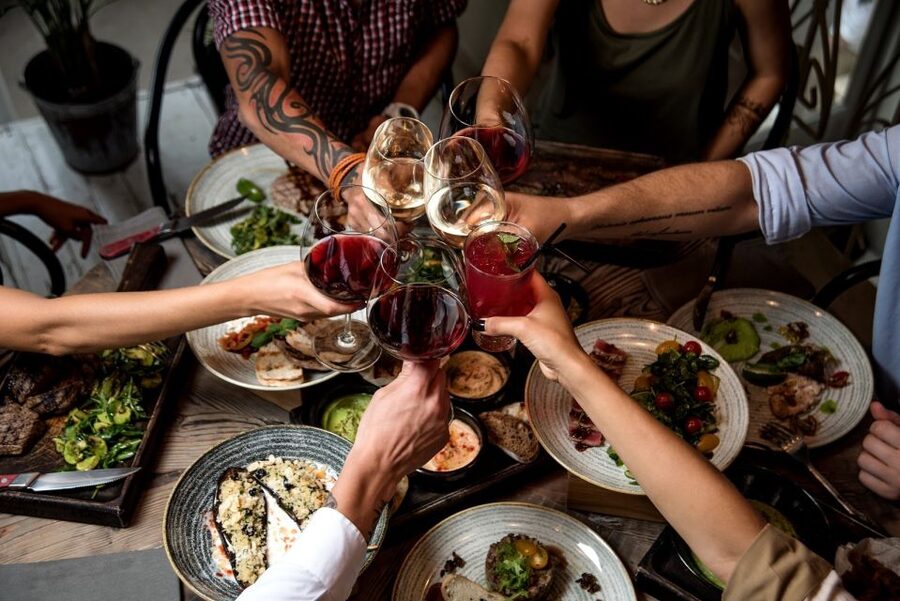
The best part of this outing is that you leave Rome for Zagarolo, a hill town set between two valleys, and cook a real Italian Sunday lunch in Claudia’s home. This is not a quick pasta demonstration. You put on an apron, work with flour and farm eggs, pick herbs from the garden, and sit down to eat what you made.
I like the small size, limited to eight people, and the way the meal follows the season. I also like the warm roles played by Claudia and Bruno: Claudia leads the cooking, while Bruno handles the welcome, transfers, and sometimes adds live keyboard music. The main drawback is the train and pickup plan, which takes a little care to arrange.
At a glance
- Cook in Claudia’s home: Prepare a full Italian Sunday lunch rather than watching a short kitchen show.
- Use local ingredients: Pasta is made with flour from a local mill and eggs supplied by a farmer.
- Expect a seasonal menu: Summer may bring sorbets and ice cream, while winter can mean stuffed pasta or sfogliatelle.
- Eat with your hosts: Finish with a three-course meal, homemade wine, and views from the garden or dining room.
- Keep the group small: No more than eight participants can join, giving you a better chance to work at the counter.
- Plan the train carefully: The morning option begins at Rome Termini and requires a roughly 25-minute ride to Zagarolo.
Leaving Rome for Zagarolo
Rome can fill your day with grand buildings, traffic, and long lines. This cooking class gives you a different view of Lazio. You take a train from Termini, meet the local driver at Zagarolo Station, and ride to a private home outside the city center.
For the morning option, the listed train leaves Termini at 9:14. The ride takes about 25 minutes, after which you get off at Zagarolo Station. Bruno waits in the square in a gray car and drives you to the house. That transfer is included, which matters because the cooking class is not based beside the station.
You should buy your return ticket ahead of time through Trenitalia. The instructions say not to validate these tickets at the station, so read the current booking details carefully before you travel. The usual return train listed for the morning schedule leaves at 14:05, but you should check the latest timetable, especially on weekends, holidays, or if you choose an evening class.
This train connection is simple once you understand it, but the meeting instructions deserve attention. You are not meeting in central Rome, and a missed train can disrupt the whole morning. I would save the train number, station name, and host contact details before leaving your hotel.
A few more luxury tours around Rome worth a look
- Florence: Premium Pasta and Gelato Cooking Class
★ 4.9 · 877 reviews - Exclusive Cooking Experience in our Cave Home by Petra Kouzina
★ 5.0 · 572 reviews - Bologna Local Pasta Cooking Class, Ragu, Spritz, Wine & Gelato
★ 5.0 · 527 reviews
A home kitchen instead of a staged show
Claudia’s kitchen is the heart of the outing. You meet her at home, put on a chef’s apron, and begin preparing the meal from the first course to dessert. The format is hands-on, so you should expect to mix, shape, season, and assemble food rather than simply watch Claudia work.
The menu changes with the time of year. In summer, you might prepare sorbets or ice cream. In winter, the class may focus on sfogliatelle and stuffed pasta. That seasonal approach makes sense in Italy, where local cooking changes with the produce available.
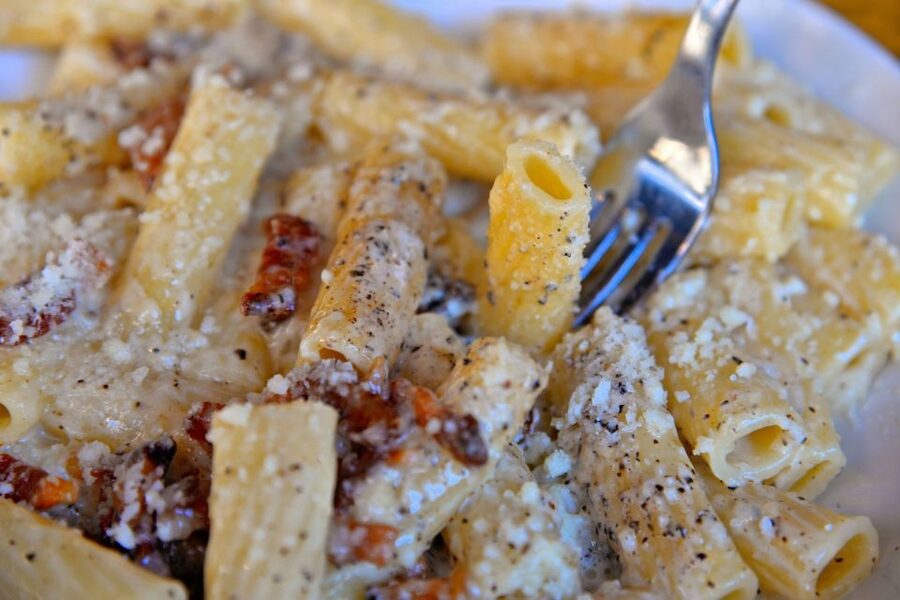
Possible dishes include vegetable fritters or savory strudel, bruschette with vegetables and cheese, handmade lasagna, ravioli, or fettuccine. You then prepare a sauce and a second course such as rolls or saltimbocca. Vegetarians can receive a special dish, but you should notify the hosts about dietary needs before the activity.
The dessert might be a parfait or a tart made together with the group. Since the menu is seasonal, do not book this expecting one fixed list of dishes. The useful point is the structure: starter, handmade pasta or another first course, a main dish, and dessert, with the exact recipes changing over the year.
Why the Sunday lunch matters
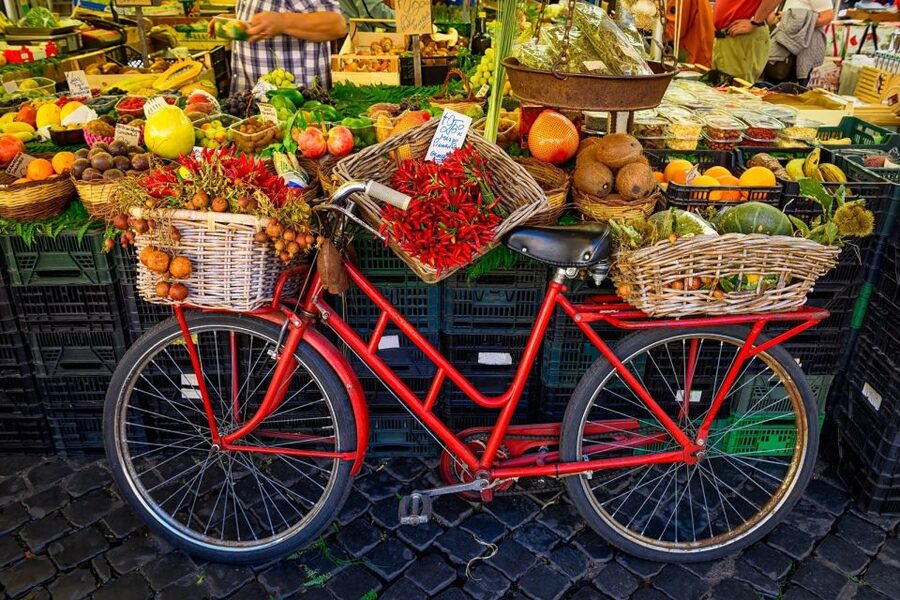
In Italy, Sunday lunch is more than a meal. It is a long family gathering built around preparation, conversation, and several courses. This class lets you take part in that pattern instead of simply ordering a plate of pasta in a restaurant.
I like this because the meal gives purpose to the cooking. You are not making a few shapes of pasta for a photograph and then leaving. You are preparing food that will become lunch, with the same people who showed you how to make it.
The setting adds to that feeling. After the practical lesson, you can eat in the romantic living room or outside under the pergola in the garden. One detailed account describes picking fresh herbs with Claudia and learning how each herb looked and smelled. That small task may be more memorable than a formal explanation of Roman cuisine because it connects the food to the place.
Bruno can add music while you cook. He has played keyboard and sung during the preparation, giving the meal a relaxed family feel. Music is not the main product, and you should not book this solely for a performance, but it is a distinctive part of the welcome when it happens.
What you actually cook
The cooking list is broad, but the class lasts 3.5 hours, so the pace will depend on the menu and the group. The most useful way to think about the activity is as a guided Sunday lunch rather than a technical cooking course.
Same place, a different kind of splurge:
- Rome: Colosseum Arena, Roman Forum & Palatine Hill VIP Tour
★ 4.5 · 3,674 reviews - VIP Vatican Breakfast and Guided Tour with Sistine Chapel Access
★ 4.5 · 1,796 reviews - Colosseum, Roman Forum & Palatine Hill Guided Tour
★ 4.5 · 1,568 reviews - VIP Vatican, Sistine Chapel & St. Peter’s Basilica Guided Tour
★ 4.5 · 1,128 reviews
The opening course
You may begin with vegetable fritters, savory strudel, or bruschette topped with vegetables and cheese. These dishes introduce the basic habits of Italian home cooking: good produce, restrained seasoning, and careful preparation.
Bruschette are also practical for a group class because you can prepare toppings together and eat them without waiting for a long bake. Vegetable fritters or savory strudel offer more hands-on work. Your exact starter depends on the season.
Handmade pasta
Pasta is likely to be the centerpiece. The dough uses flour from a local mill and eggs from a farmer, then becomes lasagna, ravioli, or fettuccine. Each option gives you a different kind of work.
Fettuccine lets you focus on rolling and cutting. Ravioli adds filling and shaping. Lasagna involves layering, sauce, and assembly. You may not make every pasta type listed, so treat the examples as possible seasonal choices rather than a promised menu.
The lesson is useful beyond the meal because the hosts provide recipes to take home. You can use those recipes to recreate the class for friends, which adds real value to the price.
The second course
The main dish may be rolls or saltimbocca. A vegetarian alternative is available when arranged in advance. This is important if you do not eat meat, since the regular menu includes traditional meat dishes.
You should tell the operator about dietary restrictions before the day of the class, not when you arrive at the kitchen. The class can accommodate restrictions when notified ahead of time, but the provided details do not specify every possible substitution.
Dessert
Dessert can be a parfait or tart. In summer, sorbet or ice cream may take its place. This keeps the class tied to the season and gives you one more chance to work alongside Claudia before sitting down to eat.
The meal, wine, and garden setting
The activity includes lunch or dinner, a three-course meal, bottled water, and alcoholic drinks. Homemade wine is part of the meal, so this suits adults who want food and conversation rather than a rushed cooking lesson followed by a separate restaurant bill.
The meal is served at the home after the practical work. You can eat in the living room or in the garden, depending on the setting and weather. The garden also gives you a chance to see where some of the herbs used in the food are grown.
I would allow yourself time to slow down here. The point is not to finish the recipes and hurry back to Rome. The cooking, meal, wine, and conversation are meant to form one long visit.
The alcohol detail matters for planning your return. If you drink wine, keep the train schedule in mind and do not rush the final course. Bruno takes you back to the station, but you still need to board the right train for Rome.
Claudia and Bruno’s hosting style
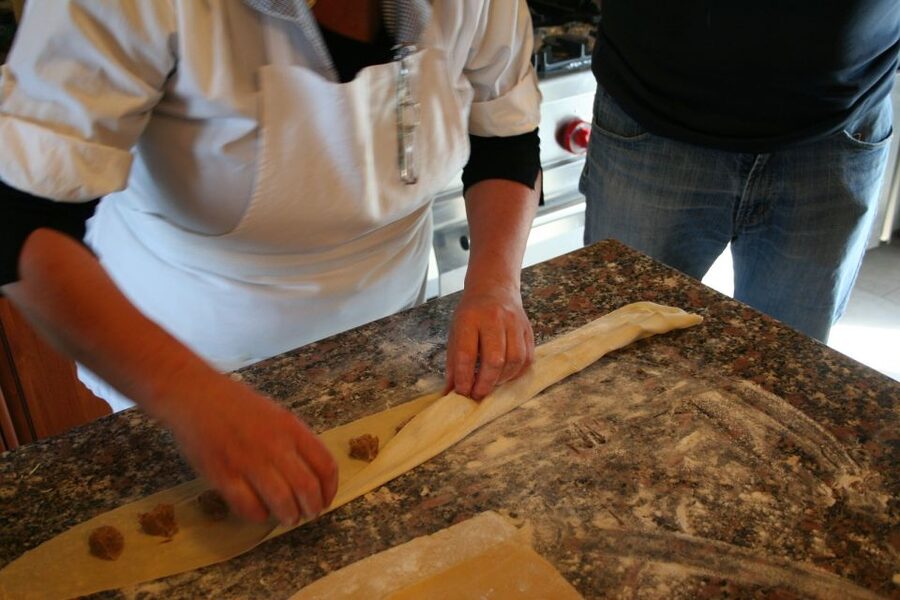
Claudia is the chef and teacher. Her cooking has received attention from major newspapers, including The Guardian and The Wall Street Journal, but the more useful detail for you is her role in the kitchen. She explains the recipes, leads the preparation, and shares the ingredients and techniques used at home.
Bruno meets you at the station, drives you to the house, and returns you afterward. He also helps create the social side of the meal. His keyboard playing and singing have made the cooking feel especially personal for some groups.
The couple’s warmth is a major reason to choose this class over a larger school in central Rome. You are welcomed into a home, not moved through a production line. At the same time, a home setting means the day can feel less formal. If you want exact measurements, professional equipment, and a tightly timed lesson, this may not be the right format.
Price and what you receive for $112.15
At $112.15 per person, the price is reasonable if you value the full package. You receive the train-area transfer to and from the house, a 3.5-hour cooking activity, a three-course meal, bottled water, alcoholic drinks, and recipes.
The price also covers something difficult to buy separately: access to a local home and a meal prepared with the hosts. A restaurant meal in Rome might cost less, but it would not include the travel into the countryside, the instruction, the recipe collection, or the time spent preparing the food.
The value is strongest for you if you want a social half-day and are happy to spend much of it around a table. It is less compelling if you only want to learn pasta technique and do not care about the meal or countryside setting.
The small group improves the deal. With no more than eight participants, you have a better chance to handle the ingredients and ask Claudia questions. Still, the exact amount of personal instruction can change depending on the number of people and the recipes being made.
Who should book this class
I would recommend this outing to couples, families, friends, and solo visitors who enjoy food and conversation. It works especially well for someone who has already seen Rome’s main sights and wants a slower day in Lazio.
It also suits you if you want to learn recipes you can use at home. The combination of local flour, farmer-supplied eggs, garden herbs, and seasonal dishes gives the class a practical connection to Italian home cooking.
Vegetarians can join if they notify the host in advance. People with other dietary restrictions should do the same. The provided information confirms that restrictions can be accommodated, but it does not promise a specific replacement for every ingredient.
This may not suit you if you need a completely fixed menu, dislike traveling outside Rome, or prefer a short demonstration with no shared meal. The train connection is manageable, but it adds a planning step that a central Rome class would avoid.
Practical tips for a smooth morning
Buy the Rome to Zagarolo return tickets before the day of the class. Check the departure time again because schedules can change, especially on weekends and holidays.
Arrive at Termini early enough to find the correct platform and train. The stated morning train is number 12703 at 9:14. At Zagarolo Station, look for Bruno in the square and the gray car described in the meeting instructions.
Wear comfortable clothes that you do not mind cooking in. An apron is provided, but flour, sauce, and food preparation can still be messy.
Tell the operator about dietary restrictions before arrival. This is also the right time to clarify the seasonal menu if you need to know what type of food will be prepared.
Keep the return schedule in mind while enjoying the meal. The listed usual train is number 12610 at 14:05, but check the latest times before you leave Rome. Evening and holiday schedules may differ.
Free cancellation is available up to 24 hours before the activity for a full refund, and you can reserve now and pay later. Those terms help if your Rome plans are still shifting.
Final call: a personal home-cooking day worth the train ride
Book this class if you want an affectionate, food-centered visit with Claudia and Bruno, not a polished cooking show. The strongest reasons are the small group, the seasonal recipes, the handmade pasta, and the chance to eat a full meal in the hosts’ home with homemade wine.
The main caution is logistics. You must reach Zagarolo Station on time, find the pickup, and monitor the return train. Once that is arranged, the class offers a rare change of pace from Rome, with food you help make and recipes you can carry home.
FAQ
Where does the cooking class take place?
The class takes place at Claudia’s home in Zagarolo, in the Roman countryside of Lazio.
How do I reach the meeting point from Rome?
For the morning option, take train number 12703 from Rome Termini at 9:14. The journey takes about 25 minutes, and you get off at Zagarolo Station.
Who meets me at Zagarolo Station?
Bruno meets you in the station square in a gray car and drives you to the chef’s home.
How long does the activity last?
The cooking class and meal last 3.5 hours. Check availability for the exact starting time.
What food will I prepare?
The menu changes with the season. Possible dishes include vegetable fritters, savory strudel, bruschette, lasagna, ravioli, fettuccine, rolls, saltimbocca, tarts, parfaits, sorbets, ice cream, sfogliatelle, and stuffed pasta.
Is the meal included?
Yes. The activity includes lunch or dinner, a three-course meal, bottled water, and alcoholic drinks, including homemade wine.
Can dietary restrictions be accommodated?
Yes, dietary restrictions can be accommodated when you notify the host in advance. A special vegetarian dish is also available when arranged ahead of time.
How many people can join the class?
The activity is limited to eight participants.
Is the transfer back to Rome included?
The host brings you back to Zagarolo Station after the class. You arrange and take the train back to Rome, so check the current return schedule before your visit.
Just added around Rome
- The Vatican: Private VIP Experience Tour★ 5.0 · 31 reviews
- Rome: VIP Colosseum, Roman Forum, Palatine Hill Experience★ 4.1 · 16 reviews
- Rome’s Top Highlights Tour Luxury Golf Cart (Private option)★ 4.9 · 241 reviews
- Rome Night Golf Cart Tour with Access to an Exclusive Dinner★ 4.6 · 17 reviews
- Rome: Vatican Museums & Sistine Chapel VIP Tour★ 4.1 · 35 reviews
- Rome:St. Peter’s Basilica Tour, Exclusive Underground Access★ 4.9 · 18 reviews
- Rome: Vatican and Sistine Chapel Tour with VIP Entrance★ 4.7 · 67 reviews
- Rome: Exclusive Private Tour by Tuk Tuk★ 5.0 · 28 reviews
Rome VIP Tours, compared.
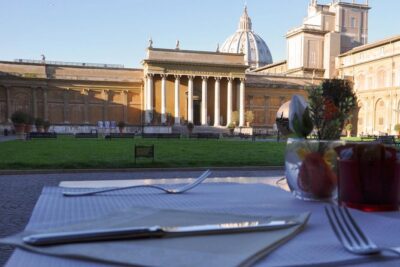
VIP Vatican Breakfast and Guided Tour with Sistine Chapel Access
Read our review →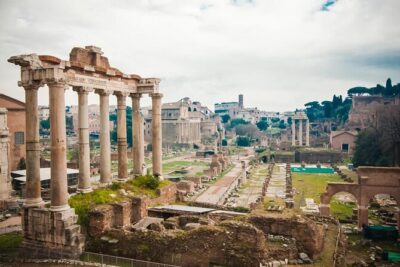
Colosseum, Roman Forum & Palatine Hill Guided Tour
Read our review →
VIP Vatican, Sistine Chapel & St. Peter’s Basilica Guided Tour
Read our review →
Rome: Roman Forum and Colosseum Underground Exclusive Tour
Read our review →
Rome: Exclusive Colosseum Underground and Roman Forum Tour
Read our review →
Exclusive Borghese Gallery Tour with Skip-the-Line Access
Read our review →
Private Rome WOW Tour in 1 Day: Luxury Car, Guide, Tkts & Lunch!
Read our review →
VIP Colosseum Underground and Ancient Rome Small Group Tour
Read our review →Browse the lists this tour appears in