
Review · PORTUGAL
Douro Valley: Premium Port Tasting Winery Tour & River Views
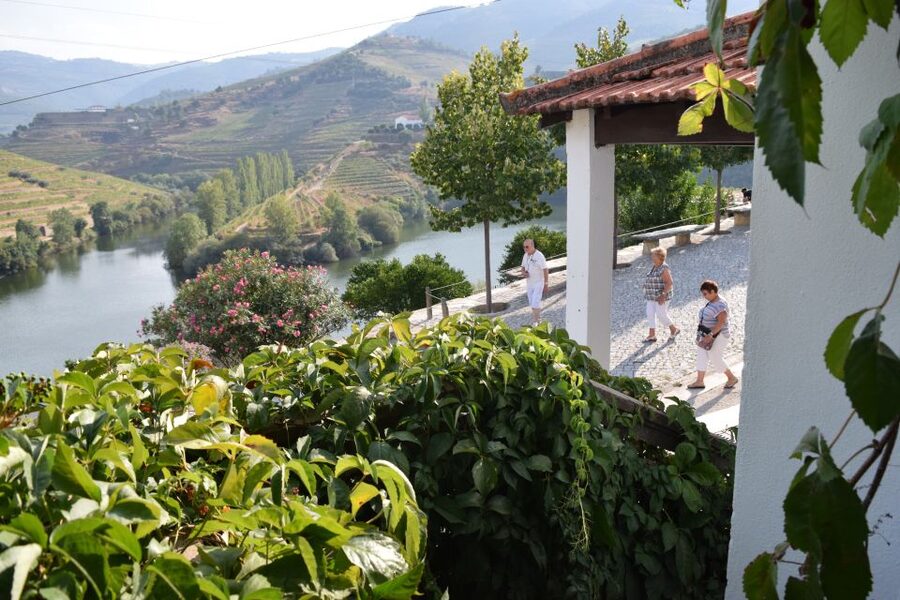
The best part of this Douro Valley visit is the setting: you move from 18th-century cellars to old stone lagares, then out among vineyards and olive trees with the Douro River below. It connects the wine in your glass to the steep slopes and traditional work behind it.
I like the chance to choose three Port wines or three DOC wines, and I like the close look at foot treading, bottling, and hand-labeling. Guide Bruno has been praised for clear explanations, and the vintage Port deserves your attention. The main drawback is that the tasting comes with olive oil but no stated cheese or chocolate pairing.
Key points at a glance
- Old stone lagares: Learn how grapes were once crushed by foot in the winery’s original Portuguese wine tanks.
- Three-wine choice: Taste three Porto wines or three DOC wines, depending on your preference.
- River views: Finish in a restored tasting room overlooking the Douro River and terraced hillsides.
- Guide Bruno: Ask him about production methods, aging, and the difference between Port and DOC wine.
- Vineyards and olive groves: The short walk adds context to the tasting and gives you time to enjoy the property.
- Useful timing: The visit lasts 1.5 hours, with no hotel pickup, so plan your route to Folgosa carefully.
Why this short Douro visit works
The Douro Valley can feel like a place to look at from a road or train window. This tour gives you a reason to stop. In 90 minutes, you see the working parts of a winery, learn how Port ages, walk through the grounds, and sit down for a proper tasting.
That compact format matters. You get a focused introduction without giving up most of your day. If you are traveling between Régua and Pinhão, the winery is five minutes east of Folgosa along the N222 and M512, making it a practical stop for a self-drive itinerary.
I also like that the visit does not treat wine as a product with a pretty view attached. The old cellars, stone lagares, and hand-labeling details show how much manual work remains tied to Portuguese wine culture. You get a sense of place before you start tasting.
The tradeoff is equally clear. This is not a full-day estate visit, a vineyard lunch, or a large wine course. The format is brisk, and the included tasting is limited to three wines. That makes it good for an introduction, but less suitable if you want a long, technical comparison of many bottles.
More Luxury Wine Tours in Portugal
- Porto: Graham’s Port Lodge Tour with Premium Wine Tastings
★ 4.8 · 1,547 reviews - Premium Douro Valley Small-Group Tour, Wine Tasting, Lunch & Boat
★ 5.0 · 1,365 reviews - From Porto: Premium Douro Valley Small-Group Wine Tour
★ 4.8 · 533 reviews
Arriving in Folgosa between Régua and Pinhão
You meet at the winery in Folgosa, postal code 5110-207. The entrance is at the intersection of the N222 and M512, about five minutes east of Folgosa beside the Douro River. Go inside and give your name to the staff member at reception.
There is no hotel pickup or drop-off, so you need to arrange your own transport. That detail is important in the Douro, where roads can be winding and public transport options may not match a fixed tour time. Check the starting time when you book and build in enough time to reach the property.
The location works best for visitors already moving through the central Douro Valley. You can pair it with a drive between Régua and Pinhão, though you should keep your attention on the road rather than trying to admire every terrace at once.
The tour is offered in English with a live guide. If Bruno is leading your visit, you can expect detailed explanations and a guide willing to answer questions about the wine process. Guide names can change, so treat Bruno as a useful possibility rather than a guarantee.
Inside the 18th-century cellars
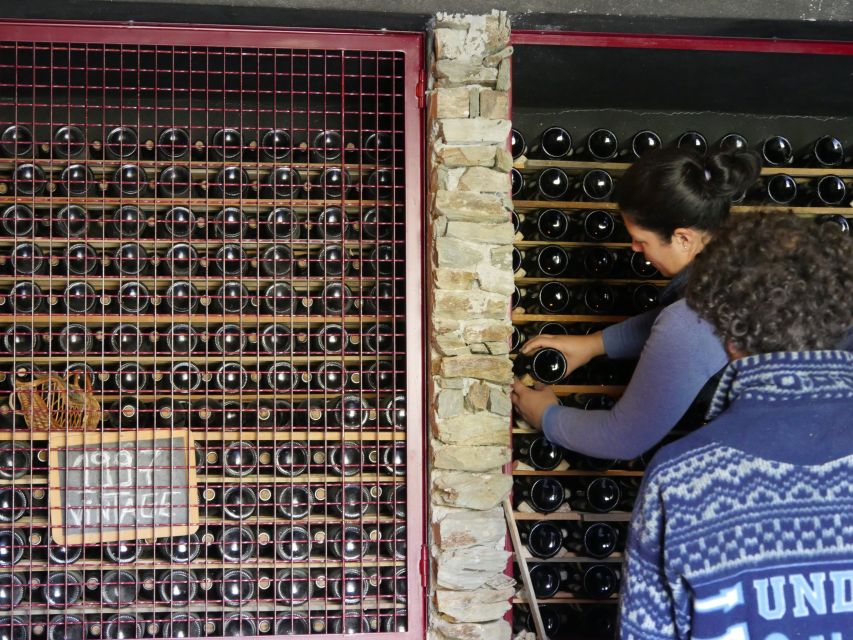
The cellar visit gives the tour its historical weight. You step into spaces dating from the 18th century and learn how Port and DOC wines are produced, aged, bottled, and labeled.
A cellar is useful here because it helps explain what happens after harvest. Port is not simply grape juice with a sweet taste. Its character depends on production, aging, and the decisions made before it reaches your glass. The guide connects those steps to the winery itself rather than giving you a detached classroom lecture.
Look for the hand-labeling and bottling details. They may sound small, but they show how much of the work is still tied to careful handling. You also learn about traditional aging methods, which gives you a better reason to ask why one Port tastes younger, older, lighter, or more complex than another.
The cellar is also where the tour’s pace becomes apparent. You will not spend hours studying each barrel or bottle. Instead, you get a clear explanation of the main methods before moving on to the property and tasting room.
For first-time Port drinkers, this is a helpful order. You learn the basic process before you taste. For experienced wine visitors, the value is less about learning every technical detail and more about seeing those traditions in their original setting.
The old lagares and foot treading
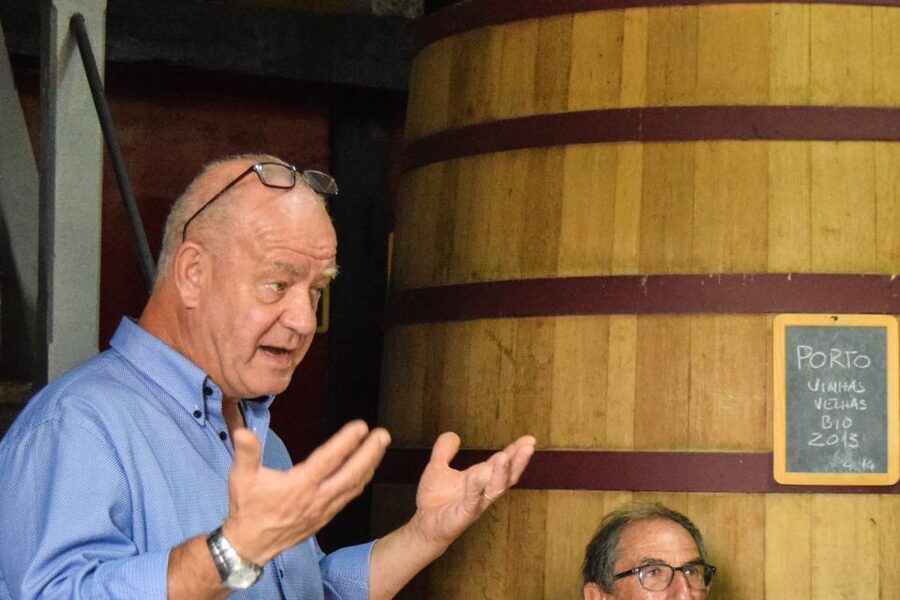
The original stone lagares are one of the most distinctive stops. These shallow stone tanks were used for foot treading, a traditional way to crush grapes before fermentation.
Your guide explains how the process worked and why it mattered. The point is not to suggest that every bottle today is made exactly as it was centuries ago. It is to show you the physical side of winemaking, when grape crushing involved people, stone, timing, and plenty of hard work.
I find this part especially useful because it makes the word tradition less abstract. You can see the space where the work took place. The lagares also give you a better feel for the scale of older wine production, long before modern equipment made many stages faster or more controlled.
If you are curious about Port, ask how the old methods relate to current production. The supplied tour details promise an explanation of the traditional process, but they do not promise a hands-on demonstration. You should expect to look, listen, and ask questions rather than take part in foot treading yourself.
Same place, a different kind of splurge:
- Funchal Bay: Dolphin & Whale Watch Luxury Catamaran Cruise
★ 4.2 · 2,684 reviews - All Inclusive Whale and Dolphin Watching Luxury Tour
★ 4.9 · 2,573 reviews - Funchal: Dolphin and Whale Watching by Luxury Catamaran
★ 4.5 · 1,709 reviews - VipDolphins Luxury Whale Watching
★ 5.0 · 1,709 reviews
A walk through vineyards and olive groves
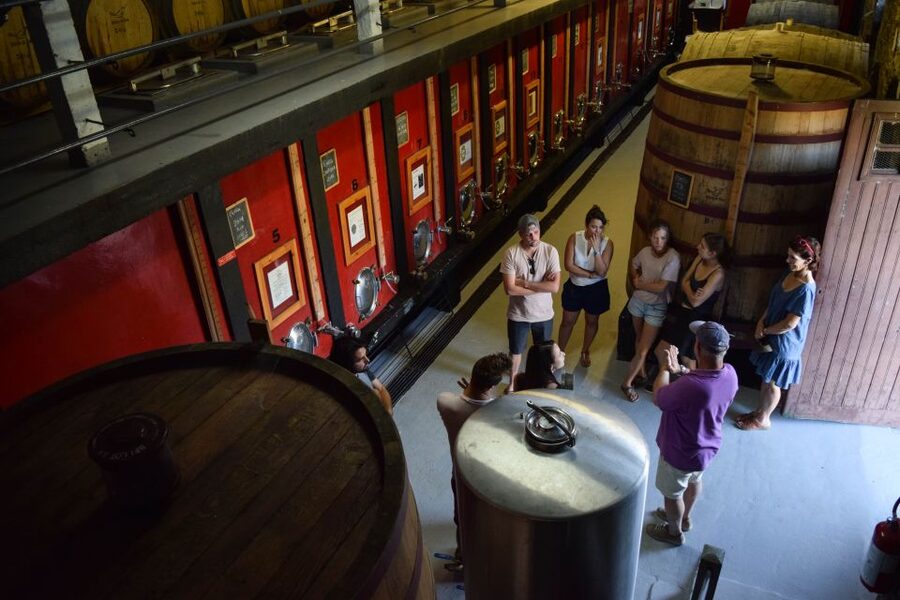
After the cellars, you stroll through the winery’s grape vineyards and olive groves. This is a short but important change of pace. Inside, you hear about wine. Outside, you see the crops and steep slopes that give the Douro its unmistakable form.
The vines and olive trees also show that the property produces more than a view for the tasting room. The tour connects grapes, olives, soil, sun, and human labor in one walk. You can better understand why a bottle of wine and a small dish of olive oil both belong on the table here.
The walk is described as taking place among sun-drenched vineyards and olive orchards. Expect exposure to the outdoor elements, particularly on a bright day. The information provided does not specify the path length, surface, or accessibility, so you should not assume that every part will suit people with limited mobility.
Take your time with the view if the schedule allows. One recent visitor specifically encouraged exploring the beautiful vineyard, and that is sensible advice. The grounds are not merely a corridor between cellar and tasting room. They are part of the reason to choose this winery over a tasting conducted entirely indoors.
The Douro River view and the restored tasting room
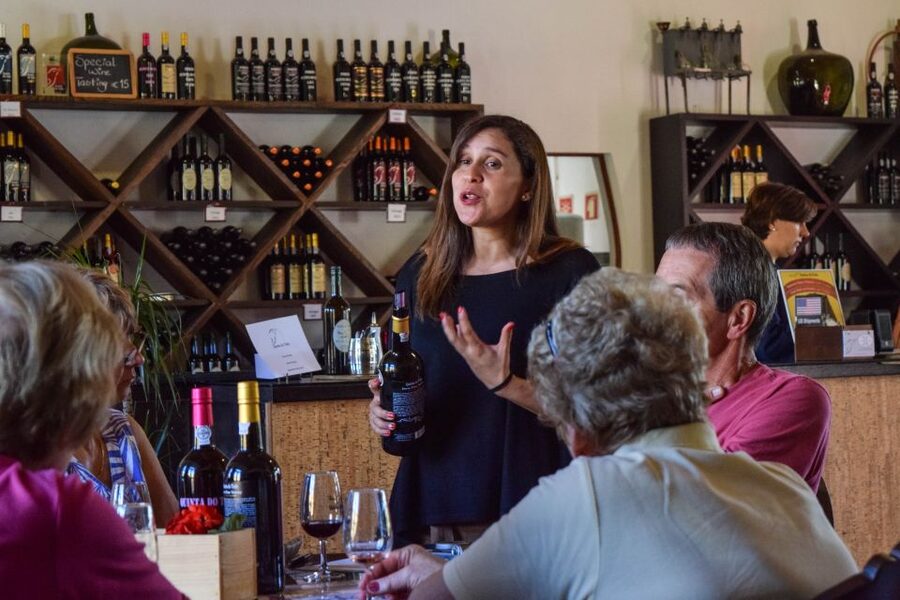
The final setting is a restored tasting room overlooking the Douro River. Here the tour shifts from production to pleasure, but the earlier stops make the tasting more meaningful.
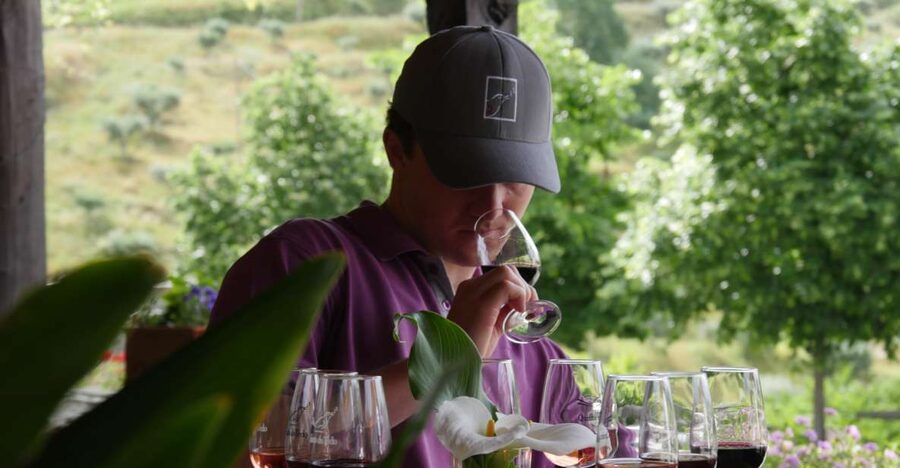
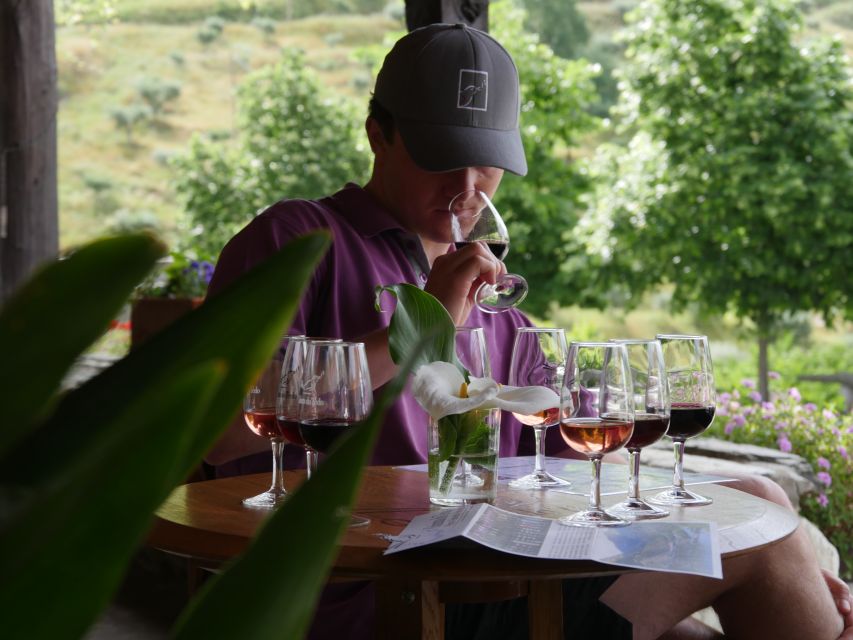
You receive three Porto wines or three DOC wines. Porto is the obvious choice if you want to focus on the region’s best-known fortified style. DOC wines give you a chance to compare the valley’s table wines instead. If you are unsure, ask the guide which option better matches your taste and interest.
A recent visit singled out the rose Port as a surprisingly good choice. That is a useful tip if you tend to associate Port only with dark, sweet reds. The vintage Port was also strongly recommended, so ask if it is part of the available tasting flight or available for purchase.
The wines are paired with locally produced olive oil. That pairing keeps the tasting rooted in the property and the region, rather than relying only on bread and generic snacks. Still, do not arrive expecting a full food pairing. Cheese and chocolate are not included in the stated program.
The river view changes the mood. You are not tasting in a shop at the end of a busy street. You are looking across the Douro while considering wines shaped by this valley. I would treat the view as part of the value, not as decoration.
What the guide adds to the visit
A good guide matters in a winery because the buildings and bottles cannot explain themselves. Bruno has been singled out for answering questions and covering the wine process in a clear way. If he leads your tour, ask him about aging, the difference between Port and DOC wines, and the old lagares.
You may also meet Kay, who can explain the vision for the vineyard and its ties to old traditions. Lara handles purchases and adds another personal point of contact at the end. These names are useful to know, although staffing can vary on the day you visit.
The human side of the tour is one of its strongest features. You are not simply shown a cellar and pointed toward a tasting table. The staff can explain how the property is being shaped while preserving older practices.
At the same time, keep your expectations realistic. The experience is conducted in English, and no other language is listed. If you need a specialist lecture on vineyard science, you may find the explanations too general. For most visitors, though, the balance of history, production, and tasting should be enough.
Is $34 a fair price?
At $34 per person, I see this as a reasonable price for a 1.5-hour winery visit in one of Portugal’s most famous wine regions. You receive a guided cellar and winery tour, a walk through vineyards and olive groves, the river setting, and three wines.
The value is strongest if you already have your own transport and want a focused stop between Régua and Pinhão. You are paying for access to the property, an English-speaking guide, the cellar explanation, and the tasting, not just for three samples at a counter.
The price is less compelling if you want a full meal, a broad wine flight, or transportation from your hotel. Those are not included. You may also want to budget for bottles or other purchases, particularly if the vintage Port or rose Port catches your attention.
For a first look at Douro wine, I think the price makes sense. It gives you enough time to learn something real without committing to a much longer program. Wine experts seeking extensive tasting notes may prefer a more specialized experience.
Who should book this winery tour?
I would recommend this visit to you if you want several elements in one manageable stop:
- You want to see traditional Port production rather than only taste the finished wine.
- You enjoy historic buildings and old winemaking equipment.
- You want a Douro River view with your tasting.
- You prefer a short activity that fits around a wider valley itinerary.
- You are happy to arrange your own transport.
- You would like to choose between Port and DOC wines.
It also suits couples, small groups, and visitors who want an introduction before choosing more bottles elsewhere. The combination of cellar, vineyard, olive grove, and tasting gives you a broad first impression.
I would think twice if you need hotel transportation, a substantial food pairing, or a long technical tasting. The program is not built around lunch, and the tasting includes olive oil rather than cheese or chocolate. You should also confirm the start time and leave room for the drive to Folgosa.
Practical details before you go
The full visit lasts 1.5 hours. Starting times vary, so check availability when making your reservation. Free cancellation is available up to 24 hours in advance, and you can reserve now and pay later if you want to keep your plans flexible.
Wear something comfortable for the winery and outdoor walk. The supplied information does not give details about terrain or accessibility, so contact the provider if that is important for you.
Bring questions. Ask about the foot-treading lagares, aging methods, the rose Port, and the difference between Port and DOC wine. A curious approach will get more from the visit than simply waiting for the next glass.
Should you book it?
Book this tour if you want a compact, scenic introduction to Douro wine with real historical detail. The old cellars and stone lagares give the visit substance, while the vineyards, olive groves, and river view keep it from feeling like a cellar lecture.
I especially like it for a self-drive day between Régua and Pinhão. Choose the Port tasting if you want the classic Douro experience, and ask about the vintage and rose options. Choose DOC wines if you already know Port or want to focus on table wine.
Skip it if your priority is a full meal, hotel pickup, or a long tasting with elaborate pairings. For everyone else, $34 buys a well-shaped hour and a half, a useful look at local winemaking, and a memorable place to taste.
FAQ
Where does the Douro Valley winery tour meet?
The meeting point is Folgosa 5110-207, Portugal, at the intersection of the N222 and M512. The winery is about five minutes east of Folgosa along the Douro River. Enter the winery and give your name to the reception staff.
How long does the experience last?
The visit lasts 1.5 hours. Starting times vary, so check availability when you book.
Is hotel pickup included?
No. Hotel pickup and drop-off are not included, so you must arrange your own way to the winery.
What language is the tour offered in?
The live guided tour is offered in English.
How many wines are included?
You receive three Porto wines or three DOC wines. The included option depends on the tasting you choose.
Does the tour include food?
The tasting includes locally produced olive oil. Cheese and chocolate are not listed as included pairings.
Can I cancel the booking?
Yes. You can cancel up to 24 hours in advance for a full refund. You can also reserve now and pay later.
More Food & Drink in Portugal
- Lisbon Exclusive PRIVATE Food Tour with 6 or 10 Tastings
★ 4.5 · 1,113 reviews - Porto: Luxury Yacht Cruise with Wine Tasting & Snacks
★ 5.0 · 210 reviews - Lisbon: Premium Wine and Tapas Tasting Session
★ 4.8 · 116 reviews - Douro Valley Private Day Trip including Boat Ride & Wine Tasting
★ 5.0 · 96 reviews
Just added around Portugal
- Lagos and Sagres Premium (from Faro) – Shared small group > VTours Algarve★ 5.0 · 37 reviews
- Joanina Library & Coimbra University | Private Former Alumni Tour★ 5.0 · 135 reviews
- Cascais Private Luxury Sunset 2h Cruise with a drink★ 5.0 · 24 reviews
- Cascais: Glamour and Decay by The Lisbon Coastline – Private Tour★ 5.0 · 44 reviews
- Lagos and Sagres Premium – Shared small group > VTours Algarve★ 5.0 · 59 reviews
- Ride the Day Away: Algarve: Affordable Premium 2×2 E-Bike Rentals★ 5.0 · 17 reviews
- Premium Vineyard Tour & Tasting★ 4.5 · 43 reviews
- Silves and Monchique Wine Taste Premium – Private> VTours Algarve★ 5.0 · 21 reviews
Portugal VIP Tours, compared.
Funchal Bay: Dolphin & Whale Watch Luxury Catamaran Cruise
Read our review →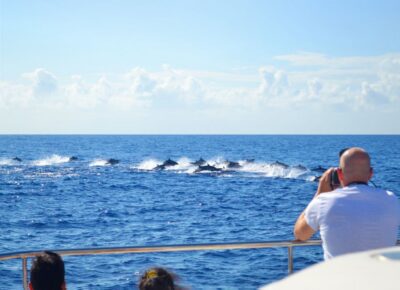
All Inclusive Whale and Dolphin Watching Luxury Tour
Read our review →
Funchal: Dolphin and Whale Watching by Luxury Catamaran
Read our review →
Lisbon: Pub Crawl with Open Bar (Premium Upgrade Available)
Read our review →
Porto: Graham’s Port Lodge Tour with Premium Wine Tastings
Read our review →
Porto: Pub Crawl with 6 Drinks and VIP Club Entry
Read our review →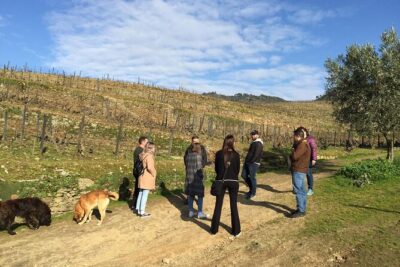
Premium Douro Valley Small-Group Tour, Wine Tasting, Lunch & Boat
Read our review →Browse the lists this tour appears in