
Review · ITALY
Agrigento: Valley of the Temples Premium Guided Tour
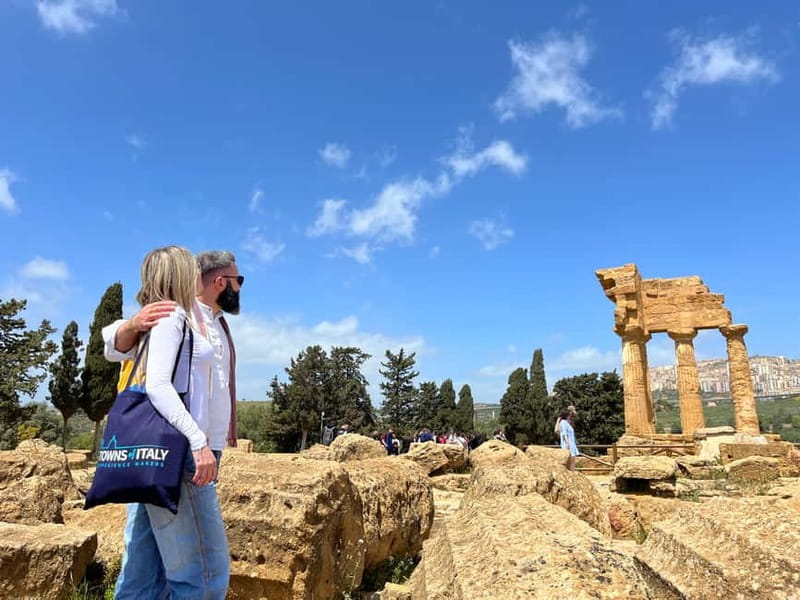
Agrigento’s Valley of the Temples is one of those places where the ruins do not need much help to impress you, but a good guide helps you understand what you are seeing. This two-hour walk takes you from the Temple of Hera to Concordia and Olympian Zeus, with the Sicilian sun turning old limestone a warm gold.
I like the clear route and the way the guides connect mythology, building methods, farming, and daily life. I also like the sunset option, since the temples take on a softer, almost theatrical look as the light changes.
The main drawback is practical: this is a walking tour over an open archaeological site, and it is not suitable for wheelchair users or people with impaired mobility. You also need to reach Porta di Giunone on your own, and choosing the wrong entrance can cost extra time and money.
Key points at a glance
- Temple-to-temple route: Visit Hera, Concordia, and Olympian Zeus with a licensed English or Spanish-speaking guide.
- Strong storytelling: Guides such as Mario, Enza, Rino, Sergio, and Alessio bring in myths, construction methods, agriculture, ecology, and modern Sicilian life.
- Best visual moment: Late afternoon and sunset bring warm light to the golden stone, though daytime visits also offer excellent views.
- Good use of two hours: The tour gives you a focused introduction without trying to cover every corner of the large archaeological park.
- Meeting point matters: Find the guide in front of Porta di Giunone, at the ticket office for the Temple of Juno.
- Useful flexibility: You can cancel up to 24 hours before the tour for a full refund, and reserve now while paying later.
Why the Valley of the Temples works best with a guide
The name Valley of the Temples can mislead you. This is not a small cluster of ruins that you can understand in a quick glance. It is a broad archaeological park with temples, paths, olive trees, open views, and layers of history that are easy to miss when you simply walk from one monument to the next.
A guide gives the site a human shape. Instead of seeing only columns and fallen blocks, you learn how Agrigentum became one of the major Greek colonies of Magna Graecia. You hear about worship, trade, philosophy, construction, agriculture, and the ordinary people who lived around these sacred buildings.
That context matters most at the less complete monuments. A broken wall can look like little more than rubble until you understand the scale of the building, the skill needed to move its stones, or the role it played in the ancient city.
The best guides also know when to stop talking. Several of the guides used on this experience, including Enza, Mario, Rino, Sergio, Alessio, and Rossana, are praised for telling stories rather than reciting a string of dates. That is a good fit for visitors who want history with a sense of place, not a lecture.
A few more luxury tours around Italy worth a look
- VIP Vatican Breakfast and Guided Tour with Sistine Chapel Access
★ 4.5 · 1,796 reviews - Colosseum, Roman Forum & Palatine Hill Guided Tour
★ 4.5 · 1,568 reviews - VIP Vatican, Sistine Chapel & St. Peter’s Basilica Guided Tour
★ 4.5 · 1,128 reviews
Starting at Porta di Giunone
The tour begins at Porta di Giunone, also called the Juno entrance, beside the ticket office for the Temple of Juno. Look for the guide in front of Porta di Giunone rather than simply heading to any entrance marked Valley of the Temples.
This detail is worth taking seriously. The archaeological park has two entrances, and arriving at the wrong one may mean taking a shuttle bus. That can add both time and another charge. If you are driving, parking is not free, so allow for an extra parking cost as well.
The meeting point sits near the higher part of the archaeological route. From here, the walk moves through the temple zone and returns to the same ticket office. Since transfers to the meeting point are not included, you need to arrange your own transport to Porta di Giunone.
The guide leads the group on foot, so wear shoes that are comfortable on gravel and uneven paths. The site is exposed, and summer heat can be strong. A hat, water, and sun protection are sensible, especially for a midday start.
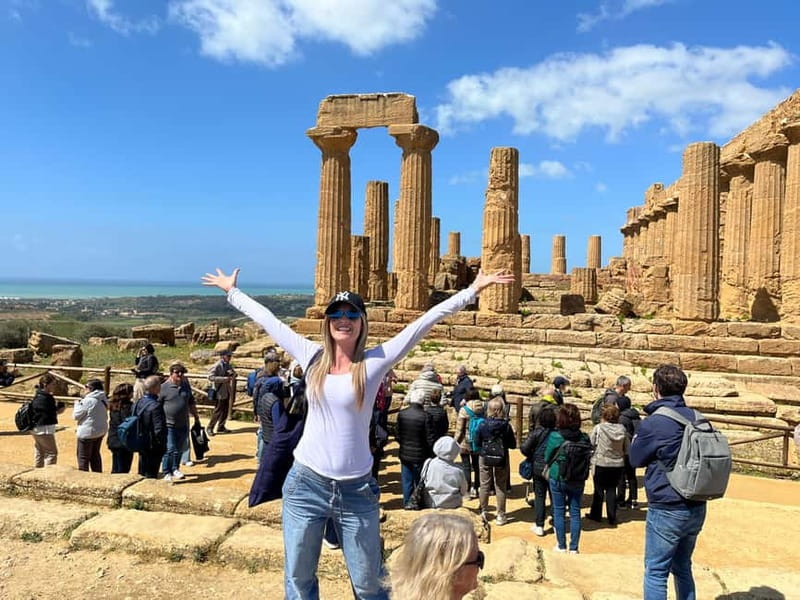
Temple of Hera Lacinia: begin with a view
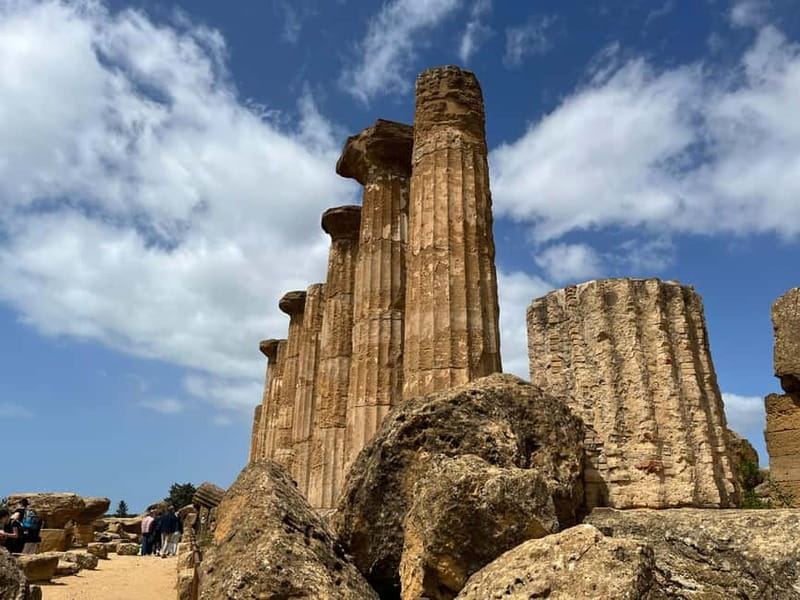
The first major stop is the Temple of Hera Lacinia. Perched along the ridge, it gives you an immediate sense of why this site is so memorable. The ruins sit above the valley, and the views help you understand the temples as part of a larger ancient city rather than isolated monuments.
Your guide explains the temple’s religious role and the rituals once held here. The stop also gives you time for photos, with columns and stonework framed by the open Sicilian countryside.
This is a strong opening because the temple is impressive without requiring a long explanation before you can appreciate it. You see the scale, hear about the beliefs attached to the building, and begin to notice how light changes the color of the stone.
The route is not a flat indoor museum visit. You will walk between stops, and the combination of heat, gravel, and uneven ground can be tiring for anyone with mobility problems. The guide can help with pacing, but the tour is formally not suitable for wheelchair users or people with impaired mobility.
Temple of Concordia: the star of the walk
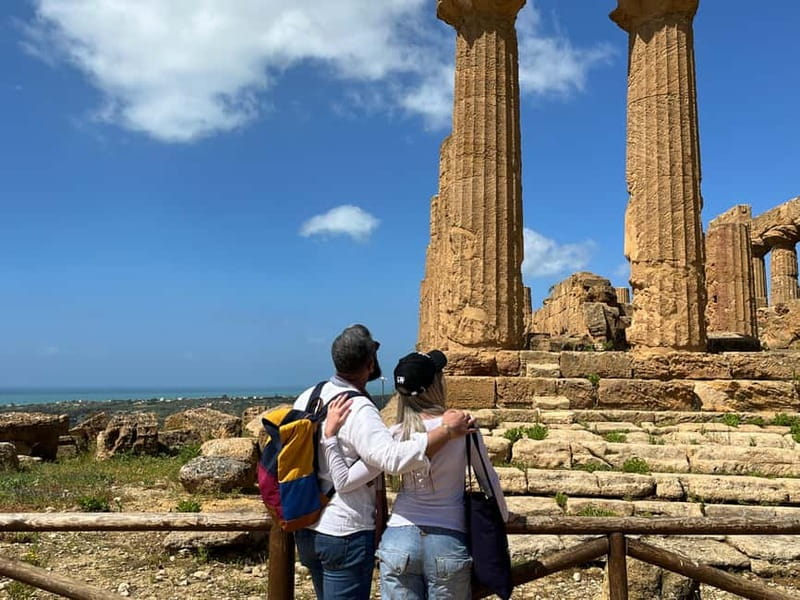
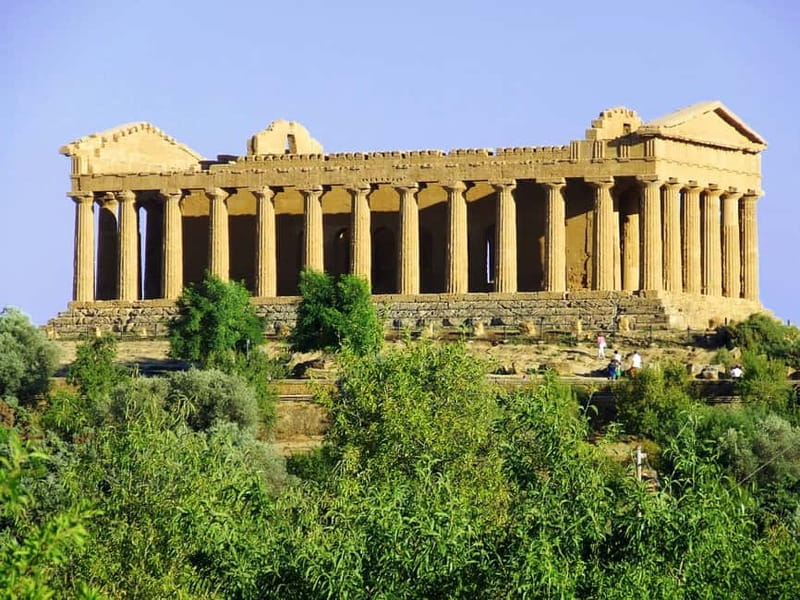
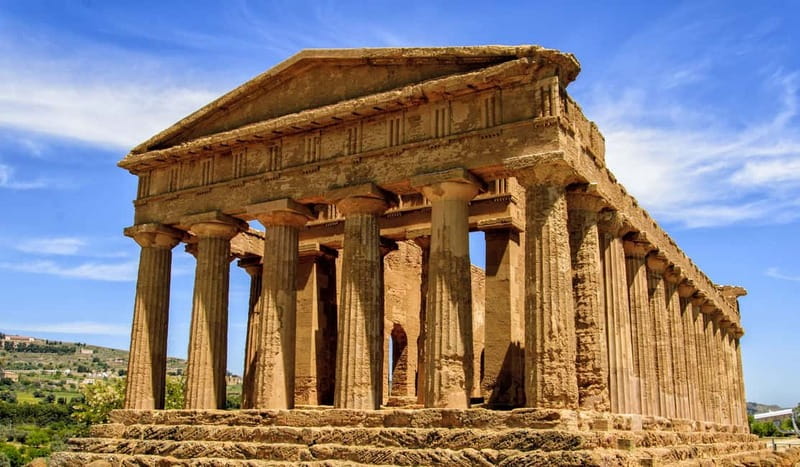
The Temple of Concordia is the centerpiece. It is one of the best-preserved Greek temples in existence, and its surviving columns and walls make it easier to picture the original building than at most ancient sites.
This is where the value of a live guide becomes especially clear. You can admire the symmetry on your own, but an explanation of the temple’s design, stonework, and changing use gives the monument more depth. The guide also places it within the story of Agrigento, showing how religion, power, and civic pride came together in monumental architecture.
Leave room for photos here, but do not spend the entire stop looking through your phone. The temple’s proportions are best understood from several angles, and your guide may point out details that are easy to overlook from the main path.
The light can make a big difference. In bright daylight, the pale stone and clean lines feel crisp and formal. Near sunset, the same columns take on warmer tones, and the surrounding countryside becomes part of the view. The exact effect depends on the starting time and season, so sunset should be treated as a feature of selected departures rather than a promise for every booking.
Same place, a different kind of splurge:
- From Milan: Como, Lugano and Bellagio Exclusive Boat Cruise
★ 4.8 · 6,635 reviews - Legendary Venice: Doge’s Palace, St Mark’s & VIP Terrace Access
★ 4.5 · 5,033 reviews - From Naples: Exclusive Tour of Amalfi Coast
★ 4.8 · 3,970 reviews - Rome: Colosseum Arena, Roman Forum & Palatine Hill VIP Tour
★ 4.5 · 3,674 reviews
Temple of Olympian Zeus: scale, ambition, and ruins
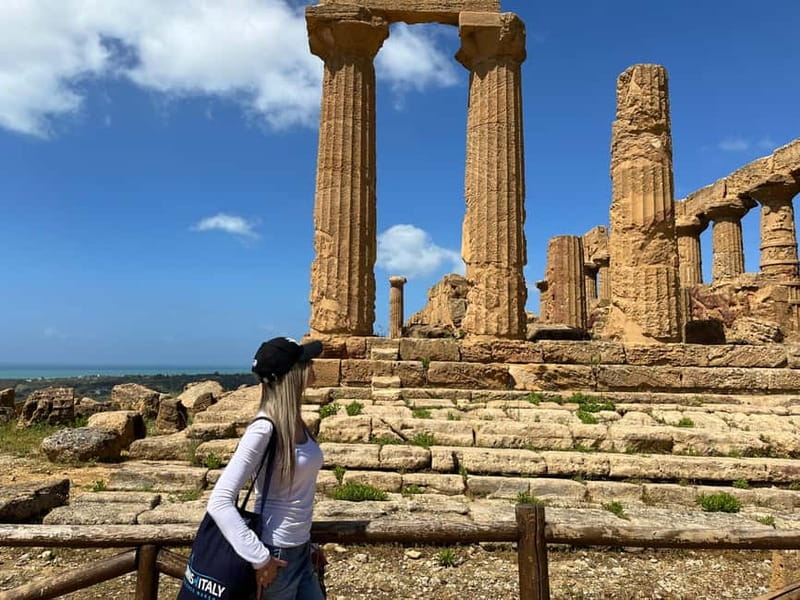
The Temple of Olympian Zeus is a very different sight. It is famous not because it remains intact, but because its scattered remains hint at an enormous project. The temple was once intended to be one of the largest Greek temples ever built.
Here, the guide helps you read the ruins. Fallen blocks, giant architectural pieces, and incomplete sections are clues to the building’s original ambition. Without that explanation, the site can feel confusing. With it, the broken stones begin to suggest a monument on a huge scale.
This stop is also a useful reminder that ancient projects did not always reach completion or survive in the form their builders intended. Political change, war, earthquakes, and the reuse of stone all shaped what you see today.
The stop is less immediately graceful than Concordia, but it can be more thought-provoking. Concordia shows preservation. Olympian Zeus shows the limits of power and time. Together, they give you a fuller picture of the ancient city.
Stories beyond dates and columns
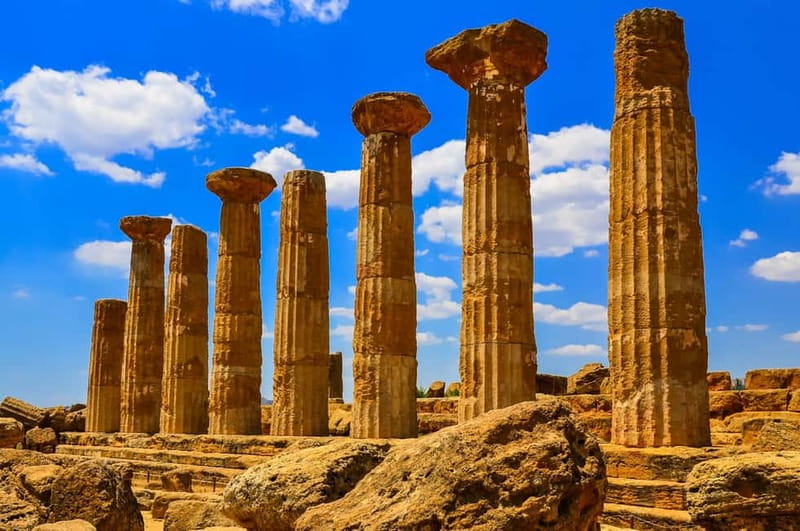
The strongest part of this experience is the way the tour can move between large history and small details. You may hear about Greek myths and sacred rituals, then turn to construction techniques or the plants and animals still found around the site.
One guide, Sergio, is praised for explaining both the ruins and the methods used to build them. Another, Enza, is known for bringing in local traditions, food, nature, and the wider story of Sicily. Mario has been noted for discussing the site’s climate and ecology as well as its past.
That range suits the Valley of the Temples. The park is not only an archaeological display. Olive groves, open paths, and working agricultural areas help show how the land has continued to serve people long after the ancient city declined.
The best moments may come from questions. Guides such as Rino and Alessio are used to handling detailed questions and unexpected ones without losing the thread of the walk. If you are curious about why a temple was built, how its stones were moved, or what daily life may have looked like, this is the time to ask.
English is available, as is Spanish. Speech speed can vary by guide, and if English is not your first language, ask politely for a slower pace when needed. Clear explanations are more useful than a flood of facts.
What two hours gives you, and what it leaves out
Two hours is enough for a strong introduction to the main temple route. You see Hera, Concordia, and Olympian Zeus, learn the basic story of ancient Agrigento, and return to the Juno ticket office with a clear sense of the site’s importance.
It is not enough for a slow, complete visit to every part of the archaeological park. The experience is best for first-time visitors who want the main monuments explained without spending half a day on a large self-guided circuit.
If you are a serious archaeology enthusiast, you may want extra time before or after the tour to explore independently. The guided walk gives you a framework, but it cannot cover every ruin, viewpoint, and detail in two hours.
The pace is generally manageable. Guides are praised for finding shade when possible, keeping the walk moving, and answering questions. Still, the site is outdoors and the path includes walking between monuments. Build in a little recovery time if you are visiting in the hottest part of the day.
Is $53 good value?
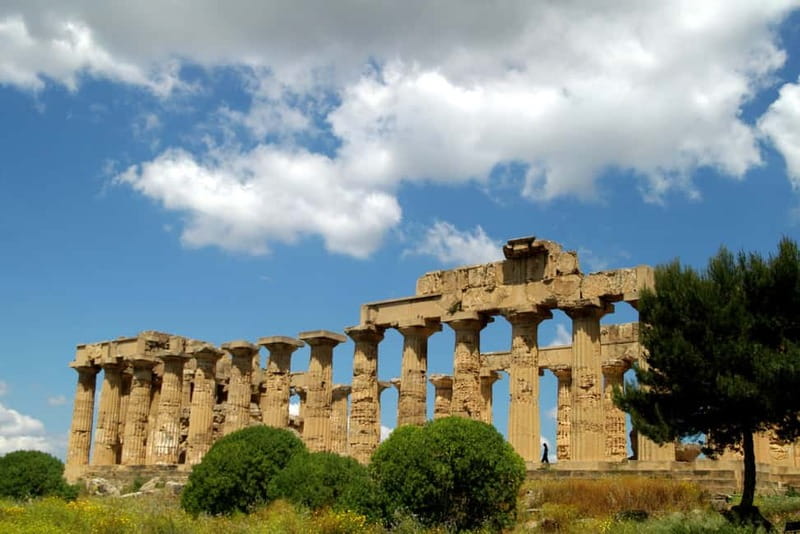
At $53 per person, the price includes admission to the archaeological park and a live English or Spanish-speaking guide. That makes the cost more reasonable than it first appears, since you are not paying for guiding on top of a separate entrance ticket.
The real value is the interpretation. You can walk around the site alone, but the temples are easier to understand when someone explains their purpose, age, design, and connection to ancient Agrigento. This is especially true at Olympian Zeus, where the surviving remains need context.
I would call it good value for a first visit, particularly if you have only a short time in Agrigento or want the sunset atmosphere. It is less essential for repeat visitors who already know the site and prefer to set their own pace.
Transport is not included, so add the cost of reaching Porta di Giunone. If you drive, parking may add another expense. These are small but important details when comparing the total price of the experience.
Who should book this walk?
I would choose this tour if you want history explained in plain language, prefer a focused visit, or find large archaeological sites hard to read on your own. It also suits families and mixed-age groups better than a long academic tour, since the storytelling can connect ancient life with nature, food, and modern Sicily.
It is a good pick for sunset photographers, provided you choose a departure that reaches the temples during the evening light. The setting is especially appealing late in the day, when the stone warms and the air may feel less harsh than at midday.
I would think twice if you need step-free access, tire quickly on uneven paths, or want a completely private and flexible visit. The experience is built around walking with a guide, and the meeting point and route cannot be changed to suit every mobility need.
The guide makes a real difference. Names you may encounter include Enza, Mario, Rino, Sergio, Alessio, Rossana, and Benedetto. Their approach can vary, but the experience is designed around local guides who explain the monuments in English or Spanish and answer questions along the way.
Booking details worth knowing
The tour lasts two hours and includes the archaeological park entrance ticket. You meet at the ticket office by Porta di Giunone, and the walk returns to that location.
You can cancel up to 24 hours before the start for a full refund. The reserve-now, pay-later option is useful if your Sicily route is still shifting.
The tour is not suitable for wheelchair users or people with impaired mobility. The site is open and exposed, so bring water and protection from the sun. Confirm the exact starting time when booking, since availability changes by date.
Should you book the Valley of the Temples Premium Guided Tour?
Yes, if this is your first look at Agrigento and you want the ruins to make sense rather than simply look beautiful. For $53, you get entry, a focused route, and a guide who can turn three major temple stops into a connected story about Greek Sicily.
Book it especially if you can visit near sunset, when Concordia and the surrounding ruins are at their most photogenic. Just use the correct Juno entrance, arrange your own transport, and be honest about your ability to walk on uneven outdoor paths.
If you want every corner of the park at your own speed, visit independently and allow more time. For most first-time visitors, though, this short guided walk provides the right balance of history, scenery, and practical use of time.
FAQ
How long does the tour last?
The tour lasts two hours.
What language is the tour offered in?
The live tour is available in English or Spanish.
What temples are included?
The route includes the Temple of Hera Lacinia, the Temple of Concordia, and the Temple of Olympian Zeus.
Where does the tour meet?
Meet the guide in front of Porta di Giunone at the Valle dei Templi ticket office.
Is the entrance ticket included?
Yes. The price includes admission to the Agrigento Archaeological Park and the guided visit.
Is transportation to the meeting point included?
No. Transfers from and to the meeting point are not included.
Is the tour suitable for wheelchair users?
No. The experience is not suitable for wheelchair users or people with impaired mobility.
Can I cancel the booking?
Yes. You can cancel up to 24 hours in advance for a full refund.
Just added around Italy
- Three Hour Private Guided Tour of Capri with a luxury Gozzo cabin cruiser★ 5.0 · 15 reviews
- Capri Secret Corners by Boat Premium Tour with Local Captain★ 4.5 · 50 reviews
- Cagliari 3 Hours Luxury Motorboat Tour – Wine and Snorkeling★ 5.0 · 118 reviews
- Exclusive Picnic in the Foothills of the Alps with the Lake Views★ 5.0 · 74 reviews
- Skip the line with exclusive entrance to the Pantheon★ 4.5 · 20 reviews
- Polignano a Mare luxury boat tour, aperitif, diving and snorkeling★ 5.0 · 51 reviews
- Luxury Shared Boat Tour in Polignano a Mare with Local Aperitif★ 5.0 · 30 reviews
- Pic nic Deluxe Assisi for 2 and wine tasting 5 wines★ 5.0 · 63 reviews
Italy VIP Tours, compared.
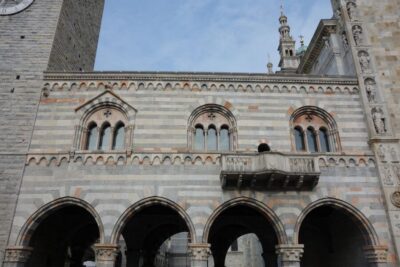
From Milan: Como, Lugano and Bellagio Exclusive Boat Cruise
Read our review →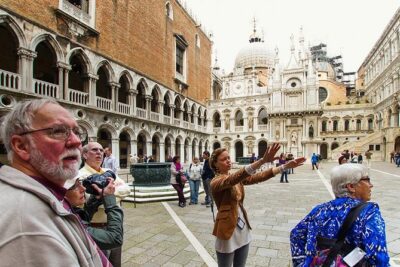
Legendary Venice: Doge’s Palace, St Mark’s & VIP Terrace Access
Read our review →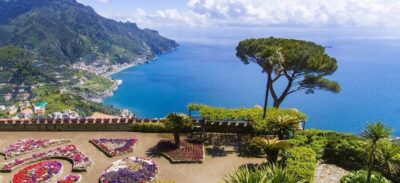
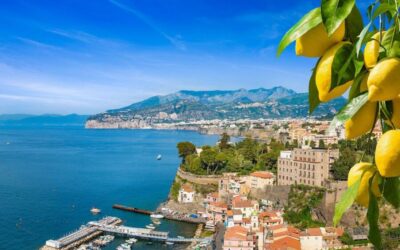
From Naples: Premium Tour of Sorrento, Positano, Amalfi
Read our review →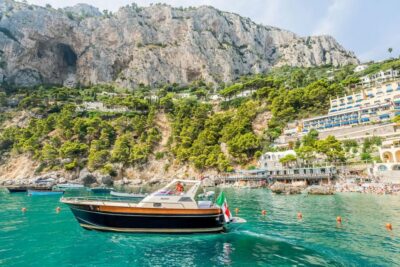
Sorrento: Exclusive Capri Boat Tour and Optional Blue Grotto
Read our review →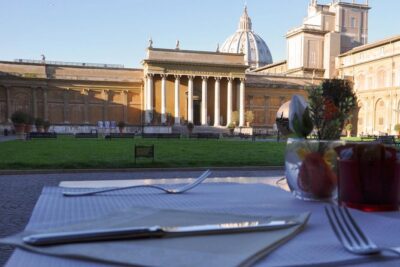
VIP Vatican Breakfast and Guided Tour with Sistine Chapel Access
Read our review →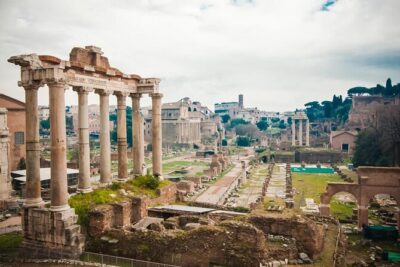
Colosseum, Roman Forum & Palatine Hill Guided Tour
Read our review →
Florence: Premium Pizza & Gelato Preparation Class with Wine
Read our review →Browse the lists this tour appears in