
Review · TOKYO
Exclusive Tokyo Ramen Kitchen Experience
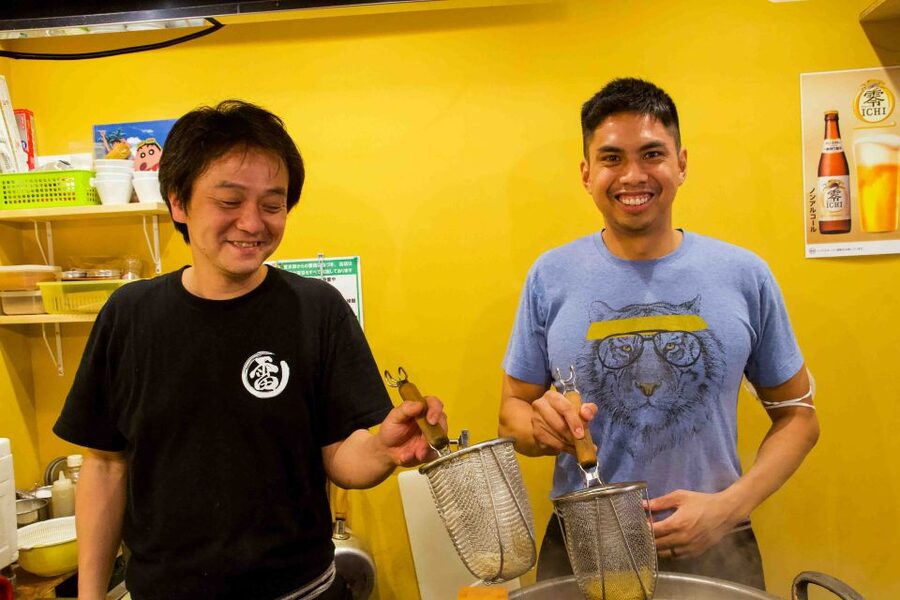
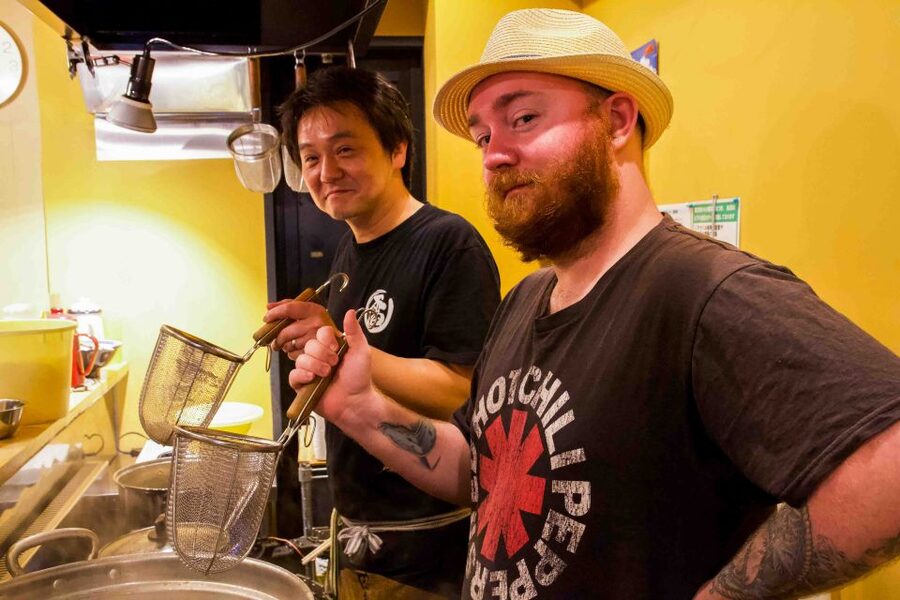
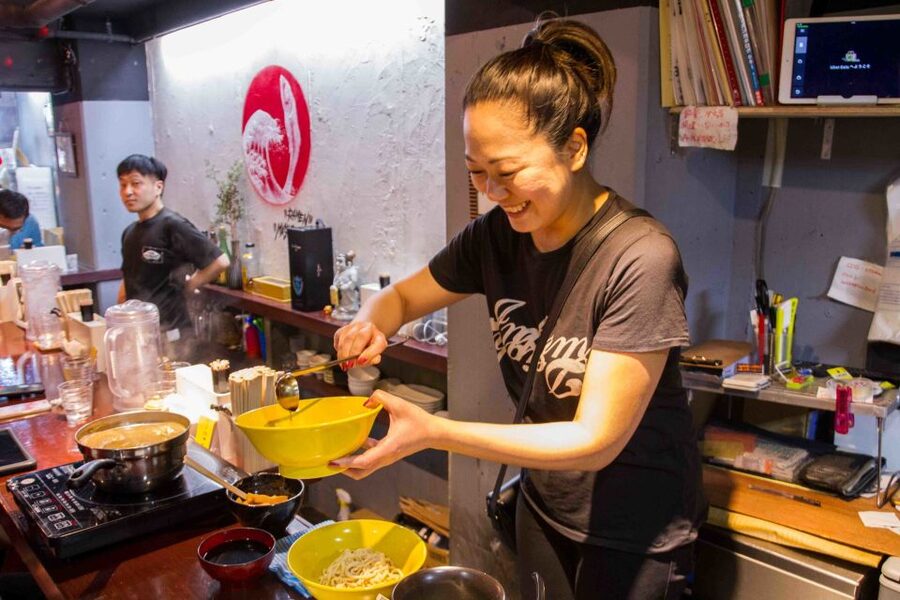
The best part of this Tokyo food experience is the back-of-house access. You do not simply sit down, order ramen, and leave. You step into a working shop, watch the cooks handle hot soup and noodles, and put together two small bowls under guidance. I like the close look at a real kitchen, and I like that the meal includes two ramen bowls plus two gyoza. The main catch is simple: at $83 per person, this is pricey for a one-hour activity, especially if you expect a full cooking class.
I also like the small group limit of six. It gives the guide and chef room to work with each person, and one guide, Frank, has been praised for his enthusiasm and clear explanations. You should know that the ramen contains chicken, pork, and fish, and that the activity involves hot water and soup, so it calls for care rather than casual wandering around the kitchen.
Key points at a glance
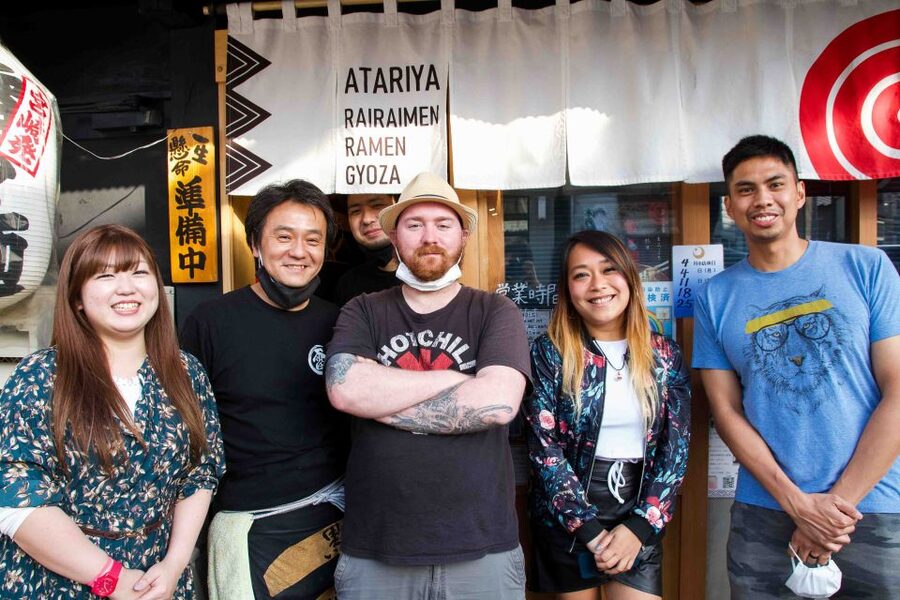
- Real kitchen access: Enter the working kitchen of an award-winning Tokyo ramen shop, rather than watching a demonstration from a distant room.
- Two bowls included: Assemble and eat two small bowls of ramen, along with two fried dumplings.
- Ramen education: Learn about ramen origins, styles, ingredients, broth, noodles, and preparation.
- Small English-speaking group: The group is limited to six, with several guides used for the experience. Frank has led some sessions.
- One-hour format: This is a compact activity that fits well into a day of sightseeing around Nezu and northern Tokyo.
- Not a from-scratch class: The broth can take about 10 hours to prepare, so the session focuses on kitchen work and assembly rather than making every ingredient from zero.
Stepping into a working ramen kitchen
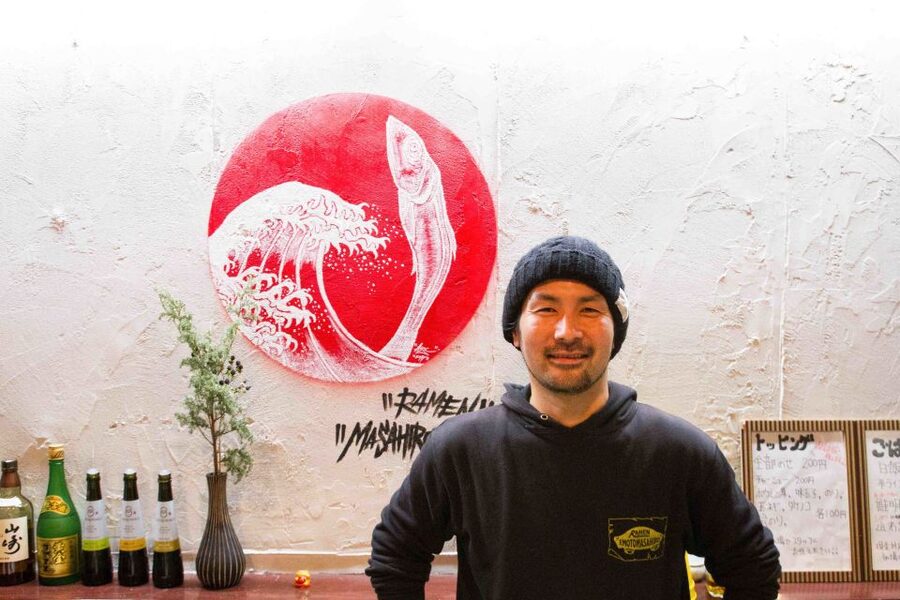
This experience gives you something most ramen shops do not offer: a place behind the counter. The shop has won several awards, but the appeal is not just the final bowl. You get to see how a professional kitchen functions while the staff explains the role of each ingredient and the steps behind the meal.
That difference matters. Many food activities teach you how to reproduce a dish at home. This one shows you how a ramen shop operates when speed, heat, timing, and consistency all matter at once. You get a taste of the job without signing up for a long culinary course.
The setting also gives the activity some personality. You are in an actual ramen restaurant, not a classroom designed to look like one. That makes the hour feel more connected to daily life in Tokyo, even though the access is arranged specially for the group.
A few more luxury tours around Japan worth a look
- Tokyo:Luxury Sumo Show Experience & Japanese cuisine & Drink
★ 4.7 · 577 reviews - Kyoto: Private Highlights Tour with Guide and Luxury Vehicle
★ 4.6 · 316 reviews - Kyoto: Tea Ceremony with Maiko Premium
★ 4.3 · 280 reviews
Meeting at Nezu Station and settling in
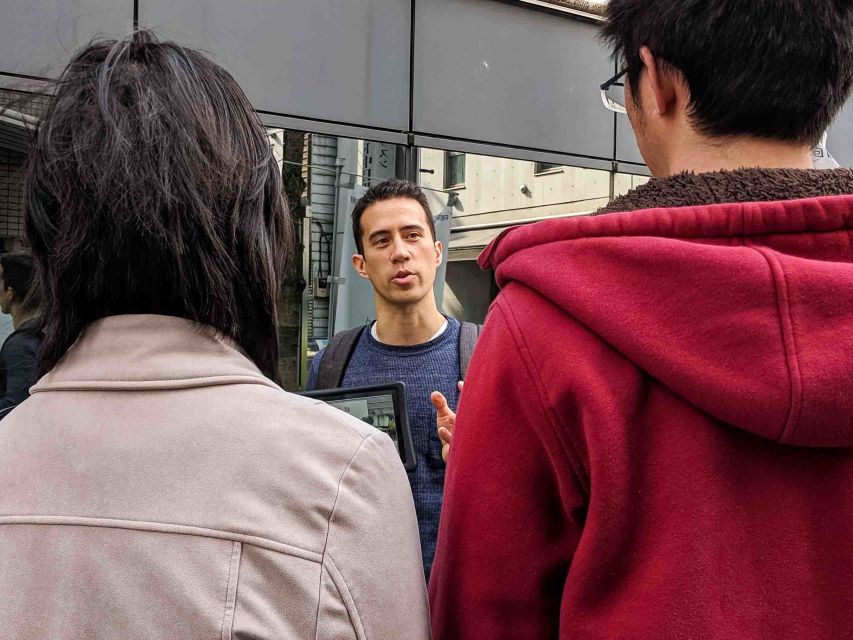
You meet your English-speaking guide at Nezu Station, Exit 1, in front of the Akafudado supermarket. Look for the guide holding a Tokyo Ramen Tours sign. This is a useful meeting point, but allow enough time to find the exit without rushing, especially if you are still learning Tokyo’s station system.
Nezu is a good part of Tokyo for an activity like this. It is away from the giant commercial centers that dominate first-time itineraries, and the ramen visit can give you a reason to spend time in a quieter part of the city. The supplied details do not promise a walking tour of the neighborhood, so think of the local setting as a bonus rather than part of the formal program.
Once everyone arrives, the guide introduces the shop and explains what will happen. The group size is limited to six, which is one of the strongest practical features here. In a crowded kitchen, a large party would make the whole idea awkward. With six or fewer people, you have a better chance of seeing the work and asking questions.
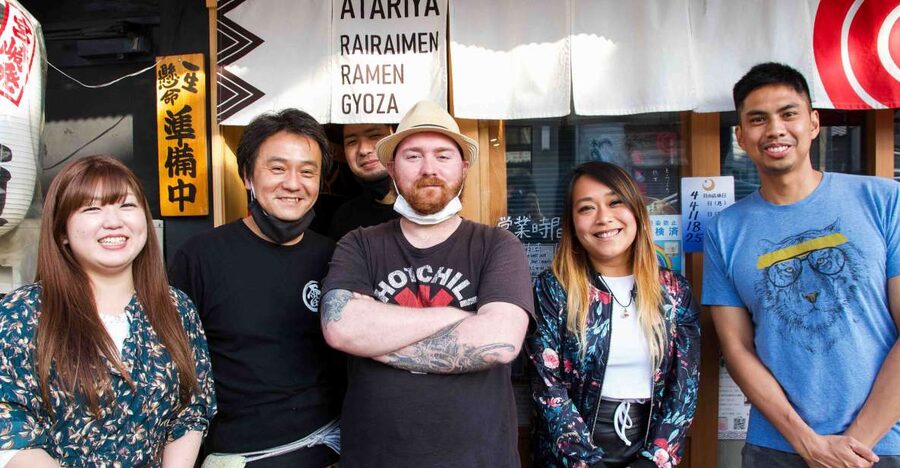
Several guides lead the activity, so the exact host can vary. Frank is one guide associated with the experience and has been singled out for his passion for ramen and his friendly manner. The guide’s role is important because the chef is busy with the kitchen itself. You receive the explanations in English while the shop continues to function around you.
Learning why ramen takes more than noodles and soup
The educational part covers ramen origins, types, ingredients, and preparation. You learn what the ingredients do, where they come from, and how they fit into the finished bowl. This is the part that can change how you eat ramen afterward.
A bowl may look simple when it arrives: noodles, broth, toppings, and seasoning. In practice, each element has a job. The broth needs long preparation, the noodles need careful handling, and the toppings need to work with the base rather than overpower it. The guide and chef help connect those separate pieces.
The broth alone takes about 10 hours to make. That fact explains why you will not be making every component from scratch during a one-hour visit. It also helps set fair expectations. If you want to learn a complete recipe from raw ingredients, this is not the right class. If you want to understand the work behind a bowl served in a busy shop, it makes much more sense.
I appreciate this shortened format. Waiting half a day for broth would not make a practical holiday activity. Instead, you see the important stages and take part in the final preparation, while the time-consuming work has already been handled by the shop.
Becoming the ramen chef for one hour
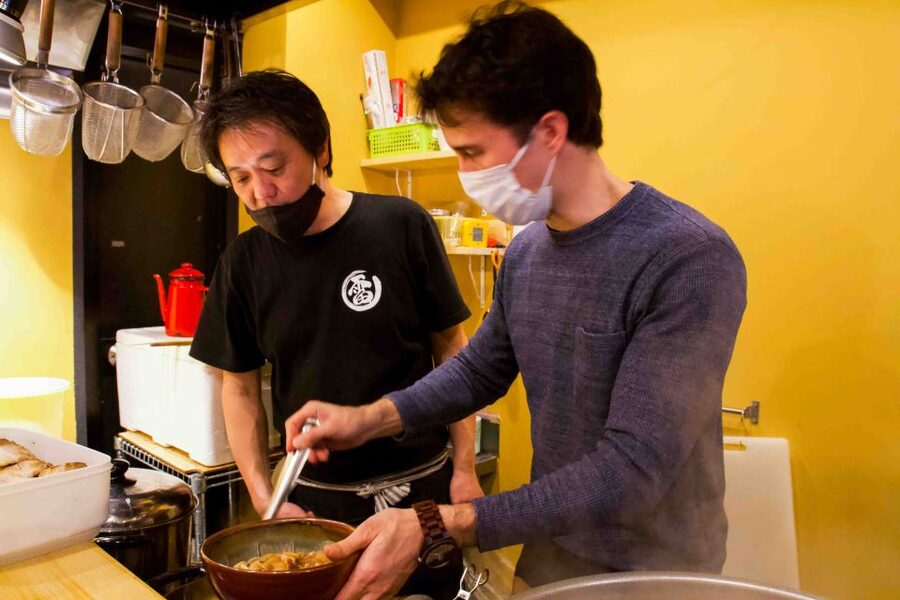
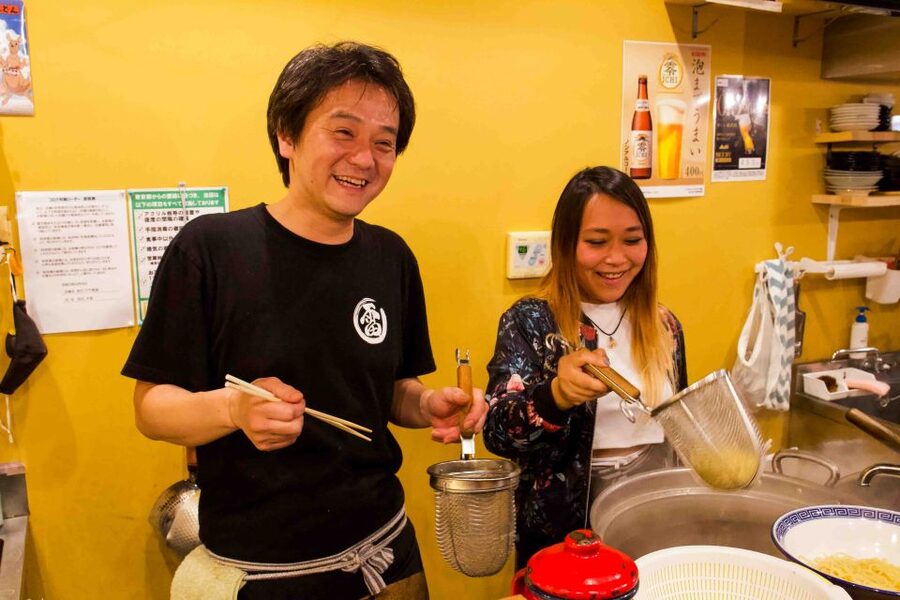
The hands-on work puts you close to the action. You handle the preparation and assembly of your ramen, with the staff guiding you through the process. The activity is designed to make you feel like part of the kitchen, but it does not turn you loose around boiling water without instruction.
You should wear comfortable clothes. The kitchen includes hot water and soup, and you need to pay attention to the chef’s directions. This is not a place for distracted photo-taking while someone is carrying a hot bowl past you.
The exact sequence may vary depending on the kitchen and the guide, but the central task is consistent: learn what goes into the bowl, then put it together. You can expect to work with noodles, broth, and toppings rather than prepare a ten-hour stock or manufacture noodles from flour.
That distinction is worth repeating because the word cooking can create the wrong picture. You are not signing up for a long lesson in knife work, dough making, and stock preparation. You are getting a behind-the-counter kitchen session with a finished meal at the end.
Families can find the hands-on format appealing. One account describes the chef working carefully with children aged eight and eleven, which suggests that younger participants can take part when properly supervised. The hot kitchen still requires care, and the activity provider does not promise a separate children’s program or a family discount.
Same place, a different kind of splurge:
- From Tokyo: Mt Fuji Private Day Tour In Luxury Land Cruiser
★ 4.9 · 168 reviews - Mt Fuji Exclusive Tour with Private Car English Guide
★ 5.0 · 116 reviews - Tokyo: Exclusive Access to Sumo Morning Practice with Photos
★ 4.8 · 107 reviews - Tokyo Toyosu Tuna Auction + Breakfast (Sushi Dai or Bentomi)
★ 4.8 · 97 reviews
Two ramen bowls and two gyoza
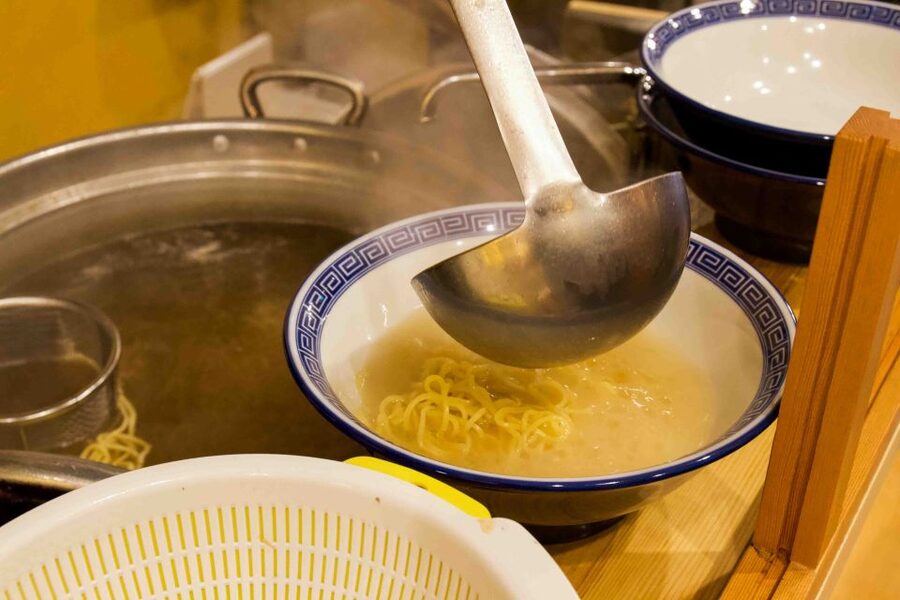
The food is a major part of the value. Your booking includes two small bowls of ramen and two gyoza, or fried dumplings. The smaller portions are useful because you get to taste more than one bowl without committing to two full restaurant servings.
The ramen has received especially strong praise. Several people found it among the best ramen they ate during a Japan trip, and the bowls are described as delicious even by those who felt the activity was expensive. That is important: the meal is not just a prop for the lesson. You are paying for food that the shop takes seriously.
The two bowls also give the experience a dinner-with-a-story quality. You are not simply eating after a talk. You help assemble the ramen, learn what you are handling, and then taste the result. The gyoza add a small extra course, though two pieces should be viewed as a sample rather than a full side dish.
Diet matters here. The ramen contains chicken, pork, and fish. The supplied information does not provide vegetarian, vegan, halal, kosher, or allergy substitutions, so you should not assume that the meal can be changed. If those ingredients are a problem, contact the provider before booking.
How the $83 price measures up
At $83 per person, this is not a bargain meal. You can eat ramen in Tokyo for far less, and the activity lasts only one hour. A price complaint is reasonable if your main goal is simply to have a bowl of noodles.
The value improves if you care about access and explanation. You receive time in a real award-winning shop, an English-speaking guide, direct contact with the kitchen, two small ramen bowls, and two gyoza. You are paying for the setting and the chance to take part, not just for the food on the table.
The small group helps justify the cost. A limit of six makes the kitchen visit more personal and gives the guide space to answer questions. It also keeps the activity from feeling like a large food demonstration.
Still, this is a poor choice for a tight budget or a person who already knows a lot about ramen and only wants dinner. It is a better match for a first visit to Japan, a food-focused itinerary, or someone who values access to working kitchens. The experience has received a 4.7 rating from 34 reviews, with strong praise for the chef, the guides, and the flavor of the ramen, but one four-star account still called it expensive and wished for take-home recipes.
That last point is fair. You learn about preparation, but you should not expect a printed recipe or a complete formula you can recreate at home. The experience gives you understanding and a meal, not a ramen apprenticeship.
Who should book this experience
I would put this high on the list for:
- Ramen fans who want to understand what happens behind the counter.
- Food-curious first-time visitors who want more than a standard restaurant meal.
- Small families with children old enough to follow kitchen safety instructions.
- Couples and friends who enjoy short, hands-on activities.
- People with limited time who want a focused one-hour food stop.
I would think twice if you want a full cooking class. You will not spend the day making broth, noodles, and toppings from raw ingredients. I would also skip it if you cannot eat chicken, pork, or fish, unless the provider confirms an option that works for you.
The activity suits people who enjoy context. If you only care about finding the cheapest excellent ramen in Tokyo, spend the $83 on several restaurant meals instead. If you want to know why the bowl tastes the way it does and see the work close up, the extra cost has a clear purpose.
Timing, safety, and simple planning advice
The session lasts one hour, so it is easy to fit into a busy day. You can pair it with other sightseeing in northern Tokyo, but do not treat it as a long neighborhood tour. The listed meeting point is Nezu Station, Exit 1, at the Akafudado supermarket, and your guide carries a Tokyo Ramen Tours sign.
Wear comfortable clothing and keep your attention on the kitchen. Hot water and soup are part of the work area, so this is not a casual lounge-style tasting. The chef’s guidance matters, particularly for children.
Free cancellation is available up to 24 hours before the start for a full refund. You can also reserve and pay later, which helps if your Tokyo schedule is still shifting. Starting times vary, so check availability for your date before building the rest of your day around it.
Final call: a special access experience at a premium price
You should book this if you want a close look at professional ramen work, value a small English-speaking group, and are happy to pay for access rather than just food. The shop setting, strong ramen, gyoza, and personal kitchen time make it more distinctive than an ordinary meal.
You should pass if you expect to make broth and noodles from scratch, need dietary substitutions, or are measuring value by the cost of dinner alone. For everyone else, this is a compact, flavorful way to understand why a humble bowl of ramen demands so much care.
FAQ
Where does the ramen experience meet?
Meet at Nezu Station, Exit 1, in front of the Akafudado supermarket. Your guide will be holding a Tokyo Ramen Tours sign.
How long does the activity last?
The experience lasts one hour.
What language is the tour conducted in?
The live tour guide speaks English.
How many people can join the group?
The group is limited to six participants.
Is this a full cooking class?
No. It is a behind-the-counter experience in a real ramen shop. You learn about preparation and assemble ramen, but you do not make every ingredient from scratch.
How long does the ramen broth take to prepare?
The broth takes about 10 hours to make.
What food is included?
The booking includes two small bowls of ramen and two gyoza.
Does the ramen contain meat or fish?
Yes. The ramen contains chicken, pork, and fish.
What should I wear?
Wear comfortable clothes suitable for working carefully in a ramen shop kitchen.
Can I cancel for a full refund?
Yes. You can cancel up to 24 hours in advance for a full refund.
Just added around Japan
- Tokyo Toyosu Tuna Auction + Breakfast (Sushi Dai or Bentomi)★ 4.8 · 97 reviews
- Tokyo: Rainbow Bridge Day Cruise Show and Only Soft Drinks★ 4.5 · 75 reviews
- Tokyo: Exclusive Access to Sumo Morning Practice with Photos★ 4.8 · 107 reviews
- Tokyo: WARP SHINJUKU Nightclub Ticket with Drink / VIP Plan★ 4.2 · 55 reviews
- Tokyo: Private Makeover Photography Studio in Luxury Kimono★ 5.0 · 22 reviews
- Osaka Umeda: PICCADILLY DINNER SHOW & NIGHTCLUB with Tasting★ 4.8 · 49 reviews
- Kyoto:Private Tour/Luxury Vehicle with Guide & photographer★ 4.8 · 35 reviews
- Kyoto Day Tour with Certified Tour Guide & Luxury vehicle★ 4.7 · 24 reviews
Tokyo VIP Tours, compared.
Tokyo:Luxury Sumo Show Experience & Japanese cuisine & Drink
Read our review →
From Tokyo: Mt Fuji Private Day Tour In Luxury Land Cruiser
Read our review →
Tokyo: Exclusive Access to Sumo Morning Practice with Photos
Read our review →
Tokyo Toyosu Tuna Auction + Breakfast (Sushi Dai or Bentomi)
Read our review →
From Tokyo/Nagano: Luxury Snow Monkey Private Full-Day Tour
Read our review →
Tokyo: Rainbow Bridge Day Cruise Show and Only Soft Drinks
Read our review →
Tokyo: WARP SHINJUKU Nightclub Ticket with Drink / VIP Plan
Read our review →Browse the lists this tour appears in