
Review · BUENOS AIRES
Premium Argentinian Wines and Malbec Tasting Experience
Argentina’s wine story comes into focus over three glasses in Palermo Soho. You taste Torrontés, Pinot Noir, and Malbec, then learn why Mendoza, Salta, and Patagonia produce wines with such different character. Guides such as Lourdes, Tomas, Faku, and Myrian have made this more than a pour-and-go session, using maps, food pairings, and plenty of practical wine talk.
I like the clear regional comparison and the generous food pairings, especially the cheese and salami served with the wines. I also like that the hosts explain how to judge appearance, aroma, and taste rather than simply naming the bottle. The main consideration is that the tasting is aimed at adults and takes place upstairs or in a venue that may not suit wheelchair users, while the meeting-point information gives both Gorriti 4882 and Gorriti 4886, so confirm the exact entrance before you go.
Key points to know before you book

- Three classic Argentine pours: Taste Torrontés, Pinot Noir, and Malbec, with Malbec taking the starring role.
- A useful regional lesson: Compare Mendoza, Salta, and Patagonia through grape styles, vineyard locations, and climate differences.
- Food is part of the lesson: Cheese, salami, and a typical appetizer help you understand why certain pairings work.
- Hosts bring real personality: Guides including Lourdes, Tomas, Faku, Myrian, Pamela, and Andrea have led sessions in English, Spanish, and Portuguese.
- A convenient Palermo setting: You meet at Gorriti 4882 or 4886 in Palermo Soho, with no hotel pickup included.
- Good flexibility: The listed price is $50 per person, with free cancellation up to 24 hours before the start and a reserve-now, pay-later option.
Three glasses that explain Argentine wine

This experience works because it gives you a simple path through a large subject. Argentina has many vineyards and grape varieties, but you do not need a full wine course to get your bearings. In 90 minutes, you taste three types and connect each one to a place, a style, and a food pairing.
Malbec is the name most people associate with Argentina, and it gets its due here. Still, the session does not treat Malbec as the whole story. Torrontés brings a different idea of Argentine wine, while Pinot Noir shows that local production is not limited to one famous red grape.
You can expect the host to discuss vintages, vineyard locations, and grape varieties as the glasses arrive. The useful part is the explanation of why a wine tastes as it does. Instead of walking away with only a favorite bottle, you should have a better sense of what to look for on a restaurant wine list.
The wine selection is described as a carefully chosen regional set, but exact producers and vintages can change. That is normal for a tasting. If you have a particular bottle or region in mind, ask your host during the session rather than expecting a fixed brand list.
A few more luxury tours around Buenos Aires worth a look
- Premium Empanadas Cooking Class & Wine Tasting Experience
★ 4.9 · 35 reviews - Premium Argentinian Wine and Malbec Tasting & Urban Art Tour
★ 4.0 · 16 reviews - Barossa Premium Wine Tasting Tour & lunch Departs 7 days a week
★ 5.0 · 1,475 reviews
What the three wines teach you
The first pour is Torrontés, one of the local varieties highlighted in the experience. It gives the tasting a fresh contrast to the red wines and helps show that Argentine wine is not only about full-bodied Malbec. Your host explains the grape and how to notice its character as you taste.
Pinot Noir follows. This is a useful middle step because it gives you another red wine to compare with Malbec, without making the tasting feel like three versions of the same thing. You will hear about the grape variety, its growing region, and the qualities present in the glass.
Malbec is the headline pour. Argentina has become famous for it, and the host puts that fame into context by discussing vineyard locations and regional production. The point is not simply to declare one glass the winner. You get to see how Malbec fits into the larger Argentine wine map.
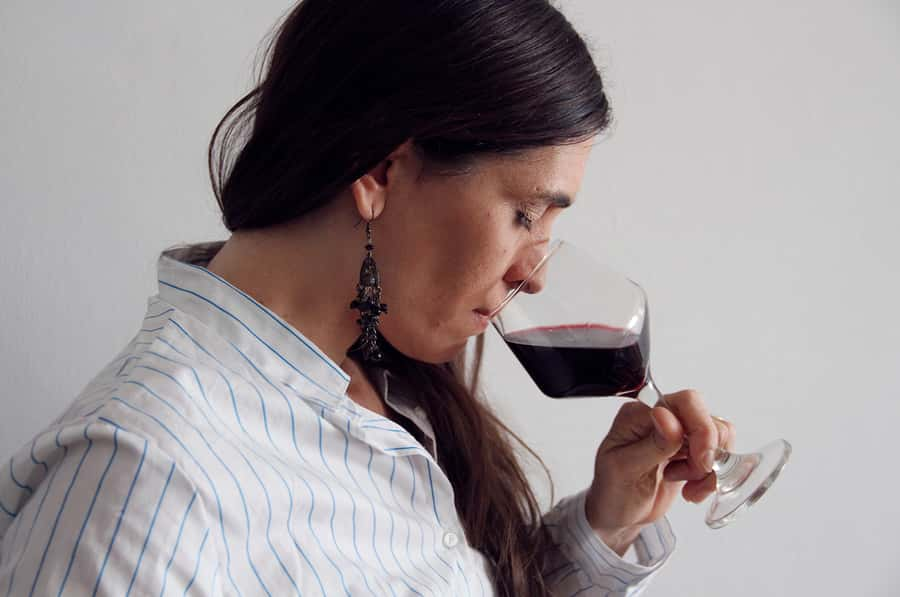
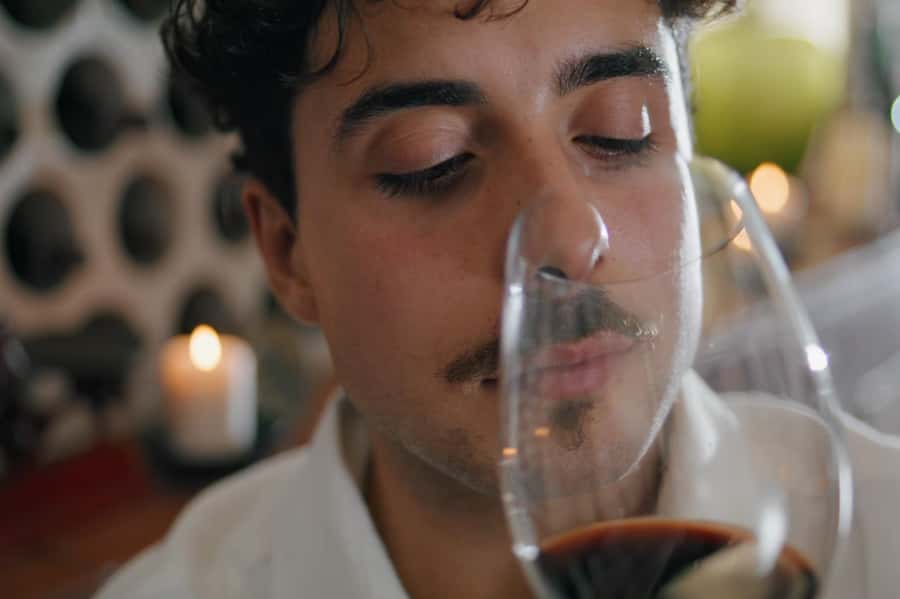
The tasting also covers the basics of wine assessment: appearance, aroma, and taste. I find this especially useful for visitors who enjoy wine but lack the vocabulary to describe it. You can learn a few simple habits, such as pausing to smell before tasting and noticing how food changes the wine.
Mendoza, Salta, and Patagonia on one map
The strongest educational feature is the comparison of Argentina’s three main wine areas. Mendoza, Salta, and Patagonia are not presented as interchangeable sources of bottles. The host explains how their conditions affect the wines you are drinking.
Mendoza is the most familiar name to many people. It is central to Argentina’s wine identity and closely linked with Malbec. Salta offers a different point of comparison, while Patagonia adds another regional voice. The session connects these places with differences in flavor and style, so the geography has a practical purpose.
One guide, Faku, used original antique maps to explain the development of Argentine winemaking. That kind of visual aid can make the subject easier to follow, especially if you are not used to thinking about wine by region. You may also get a discussion of how the national wine industry developed over time.
The host-led format matters here. You are not reading a wall panel or listening to a recorded introduction. You can ask why one wine smells different from another, how a vintage affects a bottle, or which region to seek out later in your trip. The available guides have taught in English, Spanish, and Portuguese, so language should be manageable for many international visitors.
Cheese, salami, and the Argentine table
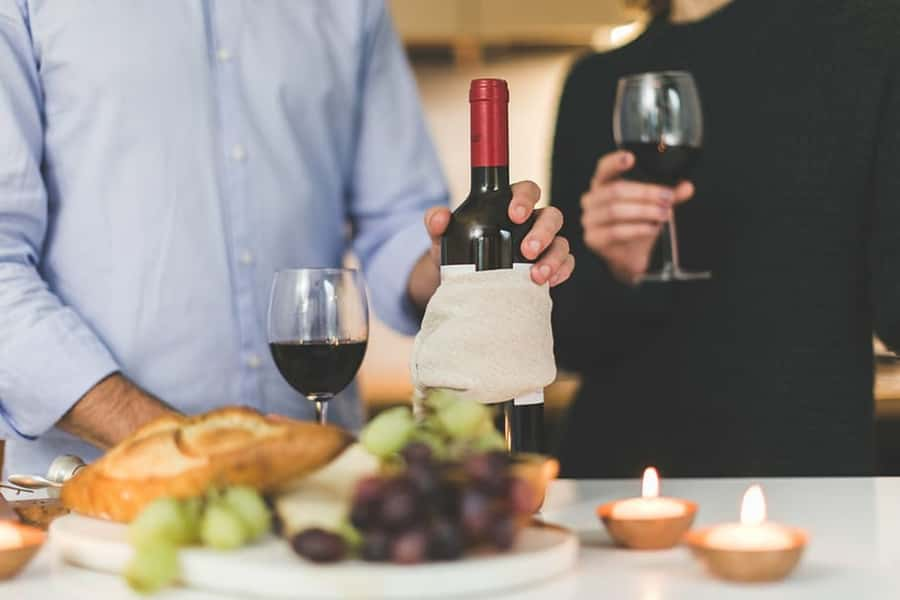
Food is not an afterthought. You receive an appetizer and different cheeses to pair with the wines, with salami also mentioned as part of the spread. This gives the tasting a more social feel and lets you test the advice immediately.
A pairing lesson is worth more than a plate of snacks. A wine may seem sharp or heavy on its own, then change when you eat it with cheese. The host explains those connections as you taste, helping you understand why a particular combination works.
One guide, Myrian, was praised for adapting the food details for a visitor with celiac disease, lactose intolerance, kidney problems, and a meat-free diet. That shows care, but you should still communicate any dietary needs when booking or before the experience. The supplied information does not promise a standard menu for every restriction.
The food also helps make the $50 price easier to assess. You are not paying only for three small tastes. The fee covers the guide, wine, and food, along with a structured lesson in Argentine wine. If you are comparing this with a quick bar tasting, the added instruction and pairings give it stronger value.
Same place, a different kind of splurge:
- Buenos Aires Hop-On Hop-Off Bus and Exclusive Benefits
★ 4.4 · 1,714 reviews - Colonia Premium Day Tour From Buenos Aires
★ 4.0 · 137 reviews - Buenos Aires Premium City Tour
★ 4.0 · 87 reviews - Premium Day Tour to Colonia del Sacramento
★ 4.0 · 86 reviews
Meeting in Palermo Soho
The experience begins at Gorriti 4882 in Palermo, Buenos Aires. Another instruction gives Gorriti 4886 as the meeting point. Since the two numbers are close but not identical, check your confirmation and contact the provider if the entrance is unclear.
Palermo Soho is a practical place for this activity because you can build the tasting into an evening in the neighborhood. The experience itself does not include hotel pickup or drop-off, so you need to make your own way there. One visitor specifically advised taking an Uber, which may be useful if you are unfamiliar with Buenos Aires or carrying bags.
The setting has been described as bright, with high ceilings, and one earlier session took place in an intimate cellar. The exact room may vary, so do not book this expecting one fixed design or atmosphere. What you can count on is a dedicated wine setting rather than a sightseeing tour around the city.
Plan your route before the tasting, especially if you are coming from another part of Buenos Aires. You do not want to arrive flustered and miss the opening explanation about the wine regions. A little spare time also gives you a chance to locate the correct Gorriti number.
Ninety minutes with room for questions
The stated duration is 90 minutes. One itinerary field describes the class as two hours, so I would plan for the advertised hour and a half while allowing a little flexibility. The session includes time for the wine pours, food, regional explanation, and questions.
That length suits a pre-dinner activity. You get enough time to compare the three wines without turning the evening into a long formal class. If you already know a fair amount about wine, you can use the question period to focus on Argentine producers, vintages, or regions.
If you are new to wine, the pace should be approachable because the host explains the basic qualities of each glass. The experience is also social, and the personal style of the guide seems to matter. Several hosts have been described as warm, helpful, and easy to talk with, with some offering suggestions for other things to see in Buenos Aires.
The tasting is held in all weather, including rain and storms. That makes it a useful backup for a wet afternoon or evening. It also means you should not assume bad weather will cancel the session automatically.
The guides make the difference
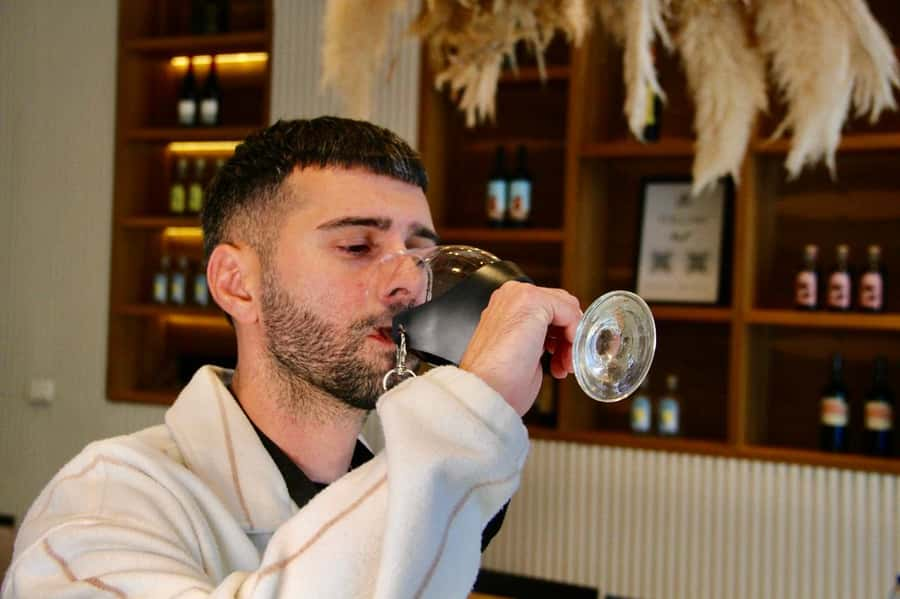
The experience depends heavily on the person leading it. The named hosts connected with past sessions include Lourdes, Tomas, Faku, Myrian, Pamela, Rocio, and Andrea. You may not receive one particular guide, but the range of names gives you a sense of the format: personal, conversational, and strongly focused on wine.
Lourdes explained the qualities of each wine, including appearance, aroma, taste, and food pairing. Tomas covered regional wine production, the history of the industry, and the qualities of the wines in the glasses. Faku brought antique maps and answered broader questions about what to do in Buenos Aires.
Pamela was described as passionate about Argentine wine and able to speak to a group with experience from Napa Valley. That is a useful sign for serious wine drinkers, though the session still appears suited to beginners. You do not need specialist knowledge to take part.
The language choices are English, Spanish, and Portuguese. If you want the most from the regional details, select your preferred language when booking if the system allows it. A clear explanation makes a big difference when the subject includes grape names, place names, and production terms.
Who gets the most from this tasting
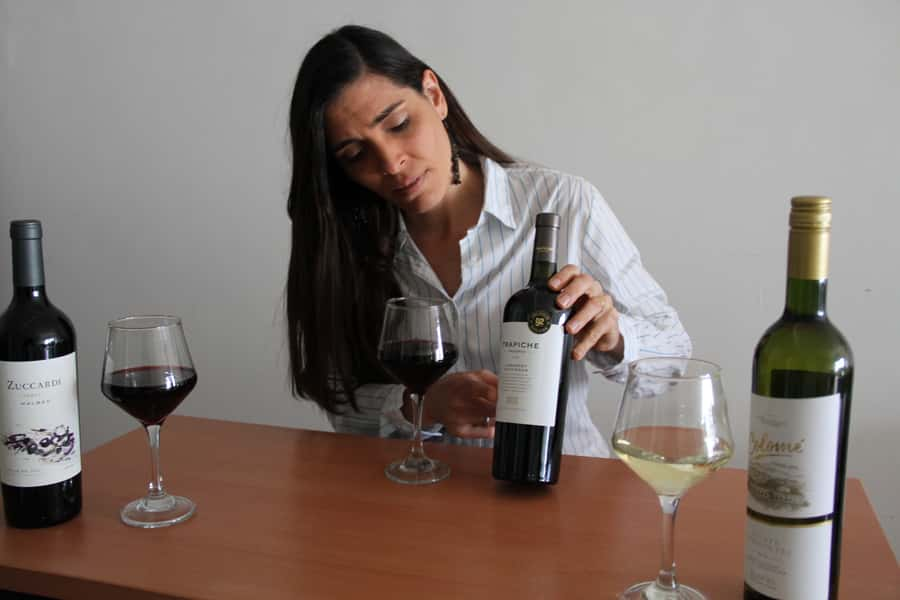
I would recommend this to you if wine is part of your travel experience, but you do not want a full-day vineyard excursion. You get a compact introduction to Argentine wine without leaving Buenos Aires. It is especially useful early in your trip, when you can use the new knowledge at restaurants and wine shops.
It also suits couples, friends, and solo visitors who enjoy a guided social activity. The food makes it feel less formal than a lecture, and the hosts appear willing to answer questions beyond the wine itself. A birthday or special evening could work well here, as one session included a birthday celebration.
You may want to skip it if you are looking for a large meal. The food is an appetizer and tasting accompaniment, not a substitute for dinner. You should also choose another activity if you need step-free wheelchair access, since the experience is listed as unsuitable for wheelchair users.
Children under 18 cannot take part. That rule is clear, and the tasting format is intended for adults. If you are traveling with a family that includes younger children, plan a different Palermo activity for that time.
Is $50 a fair price?
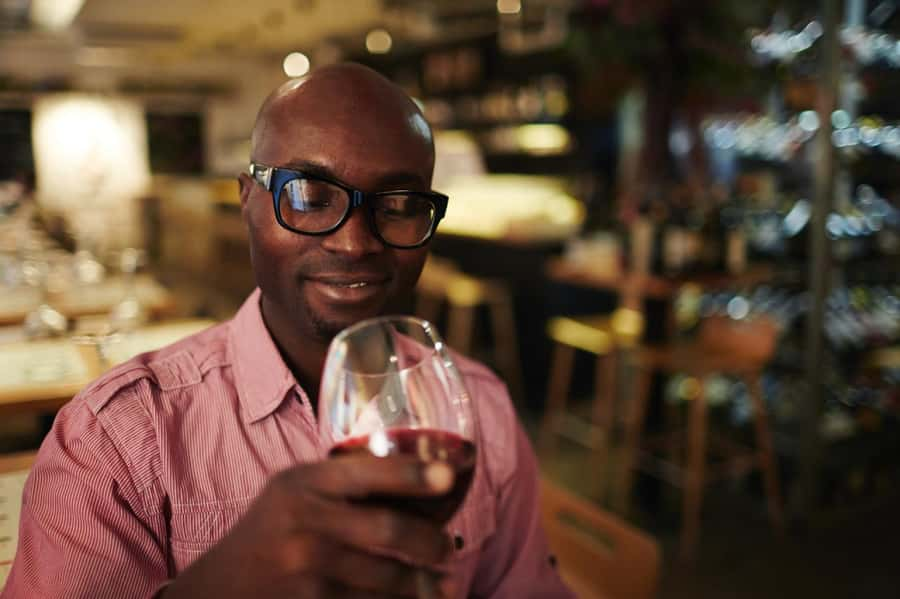
At $50 per person, I see solid value if you want instruction as well as wine. The price includes a professional guide, three wines, an appetizer, and pairing foods. You also receive context about Mendoza, Salta, Patagonia, grape varieties, vintages, and wine production.
The value depends on your interests. If you only want to sample Malbec, a wine bar may cost less and give you more freedom. If you want to understand what you are tasting and compare three important varieties with food, the guided format justifies the higher price.
The 90-minute length is another part of the calculation. You are not committing a full day, and Palermo gives you the option of continuing your evening nearby. I would consider it a good use of time for a first visit to Buenos Aires, especially if a vineyard trip outside the city does not fit your schedule.
Free cancellation up to 24 hours before the experience gives you useful flexibility. You can also reserve now and pay later, which helps if your itinerary is still changing.
Should you book it?
Book this tasting if you want a friendly, focused introduction to Argentine wine in Buenos Aires. You will learn why Malbec matters, but you will also taste Torrontés and Pinot Noir, compare Mendoza with Salta and Patagonia, and see how cheese and salami change the experience.
I would give it priority for a rainy evening, a pre-dinner plan in Palermo Soho, or the first days of a trip when you want help choosing wine later. Confirm the Gorriti address, arrange your own transport, and mention dietary needs in advance.
Skip it if you want a full dinner, a vineyard visit, or wheelchair access. For most adults who enjoy wine and conversation, the combination of three regional styles, food pairings, and an informed local host makes this a practical and worthwhile Palermo experience.
FAQ
How long does the wine tasting last?
The stated duration is 90 minutes. One itinerary entry describes the class as two hours, so allow a little extra time around the advertised hour and a half.
Where does the experience meet?
The meeting point is in Palermo, Buenos Aires, at Gorriti 4882. Another instruction lists Gorriti 4886, so confirm the exact entrance before arriving.
Which wines will I taste?
The tasting includes Torrontés, Pinot Noir, and Malbec. The host also discusses grape varieties, vintages, and the wine regions where the bottles are produced.
Which Argentine wine regions are covered?
The experience compares Mendoza, Salta, and Patagonia, including differences in regional wine character and flavor.
Is food included?
Yes. The experience includes an appetizer, cheeses, and food pairings. Salami is also mentioned as part of the tasting foods.
What languages are available?
Live guiding is available in English, Spanish, and Portuguese.
Can children or wheelchair users attend?
The experience is not suitable for children under 18 or wheelchair users. Hotel pickup and drop-off are also not included.
Just added around Buenos Aires
- Premium Day Trip to Colonia del Sacramento★ 5.0 · 34 reviews
- Buenos Aires Premium City Tour★ 4.0 · 85 reviews
- Premium Argentinian Wine and Malbec Tasting & Urban Art Tour★ 4.0 · 16 reviews
- Navigation in Delta of Tigre – Exclusive semi private tour★ 4.9 · 26 reviews
- Premium Empanadas Cooking Class & Wine Tasting Experience★ 4.9 · 35 reviews
- Buenos Aires: “Ticket”- 2hs of Navigation Premium to Tigre★ 4.5 · 20 reviews
- Buenos Aires: Tigre Premium with Boat Ride★ 3.6 · 33 reviews
- Buenos Aires: Premium Delta Navigation round trip★ 4.3 · 34 reviews
Buenos Aires VIP Tours, compared.
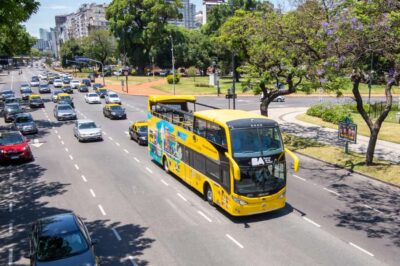
Buenos Aires Hop-On Hop-Off Bus and Exclusive Benefits
Read our review →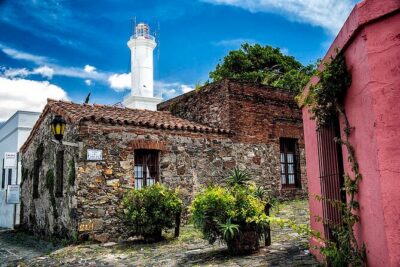

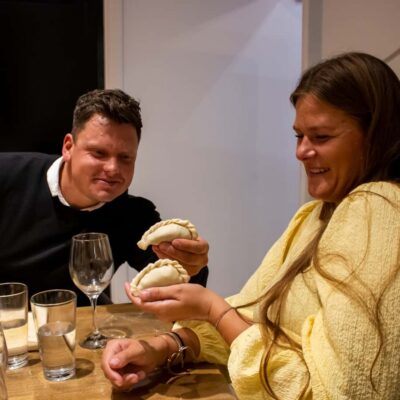
Premium Empanadas Cooking Class & Wine Tasting Experience
Read our review →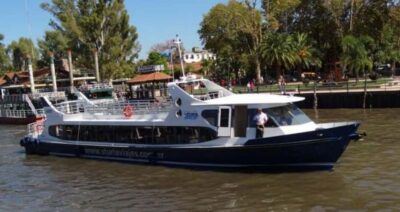
Buenos Aires: Premium Delta Navigation round trip
Read our review →
Browse the lists this tour appears in