
Review · ATHENS
Private Luxury Tour: Mystic Pilgrimage – Kerameikos to Eleusis
The most unusual way to understand ancient Athens may be to leave the Acropolis behind. This private drive follows the old Sacred Way from Kerameikos to Eleusis, linking an ancient cemetery, pilgrimage stops, a Byzantine monastery, and the sanctuary of Demeter and Persephone.
I like the private format, since your group can set the pace and travel in a cool sedan or minivan. I also like the human touch from drivers such as Pericles and Dimitris, whose storytelling and printed guides can add life to a route that is easy to miss on your own.
The catch is important: this is chiefly a private driver-guide service, not a licensed archaeological guide accompanying you through every site. Entrance fees, lunch, and any official guide inside the ruins are extra, so the $129 price is attractive for private transport but not the full cost of a guided archaeological day.
Key points to know before you book
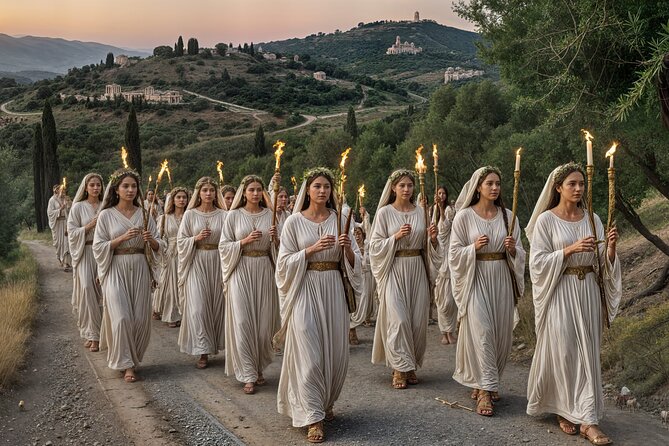
- Follow the ancient pilgrimage route: The Sacred Way once connected Athens with the Sanctuary of Demeter at Eleusis.
- Expect a private car-based outing: Groups of one to four use a luxury sedan, while groups of five to seven travel by minivan.
- Kerameikos sets the scene: Ancient tombs, city walls, the Dipylon Gate, and the Pompeion explain where the procession began.
- Daphni Monastery adds a different era: Its 11th-century mosaics give the day a welcome Byzantine turn.
- Eleusis is the main event: The Great Propylaea, Kallichoron Well, Ploutonion, Telesterion, and museum bring the ancient rites into focus.
- Budget beyond the tour price: Archaeological tickets and museums are not included, and lunch in Eleusis is paid directly.
Why the Sacred Way makes a fine half-day from Athens
The route is more than a string of ruins. In antiquity, pilgrims left Athens through the Kerameikos area and traveled west toward Eleusis for the Eleusinian Mysteries, ceremonies linked with Demeter, Persephone, death, renewal, and the hope of a better life after death.
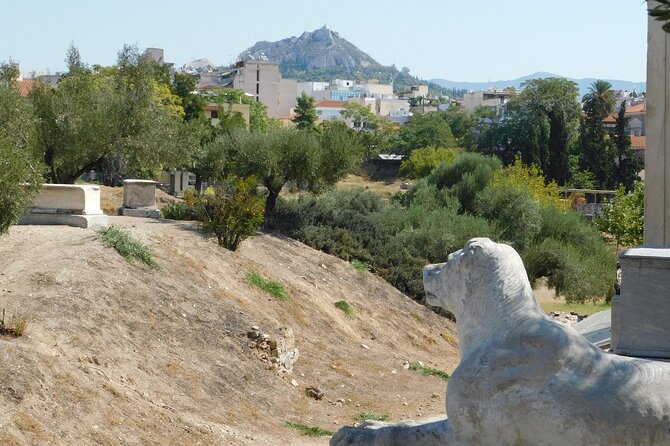
Much of the original road now runs through modern streets and developed areas. That may sound less romantic than a completely preserved ancient track, but it gives you a useful sense of how old history sits beside present-day Athens. The trip connects fragments: a river crossing, an ancient road, a monastery, a Roman bridge, and finally the sanctuary itself.
The private format matters here. Several stops are brief, and the route requires driving between scattered remains. Instead of piecing it together with taxis and public transport, you have one vehicle, bottled water, air conditioning, WiFi, and pickup from your hotel or the Athens port.
The advertised duration is about five to six hours, including driving time. That makes this a compact outing rather than a full archaeological expedition. You get an overview of the route, but you will not spend a long time at every monument.
A few more luxury tours around Athens worth a look
- Acropolis: Premium Acropolis and Parthenon Guided Tour
★ 4.8 · 5,208 reviews - Luxury Catamaran Cruise from Athens with Traditional Greek Meal and BBQ
★ 5.0 · 1,346 reviews - Hydra, Poros and Egina Day Cruise from Athens with Optional VIP Upgrade
★ 4.0 · 1,310 reviews
Kerameikos: where the procession begins
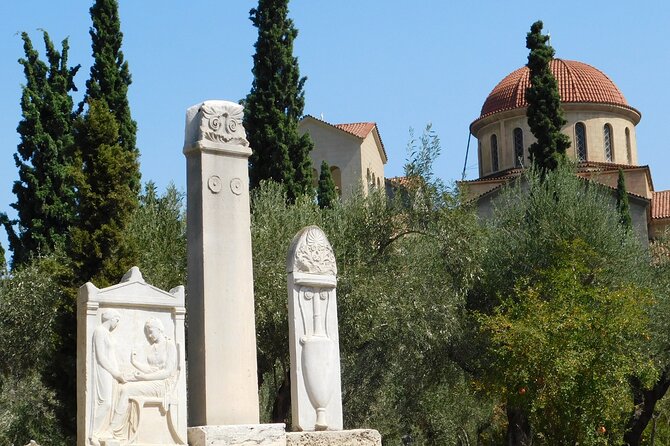
Kerameikos is one of the strongest opening stops because it combines several layers of ancient Athens in one place. It was once the city’s potters’ quarter, but it also became Athens’ main cemetery and the starting area for the Sacred Way toward Eleusis.
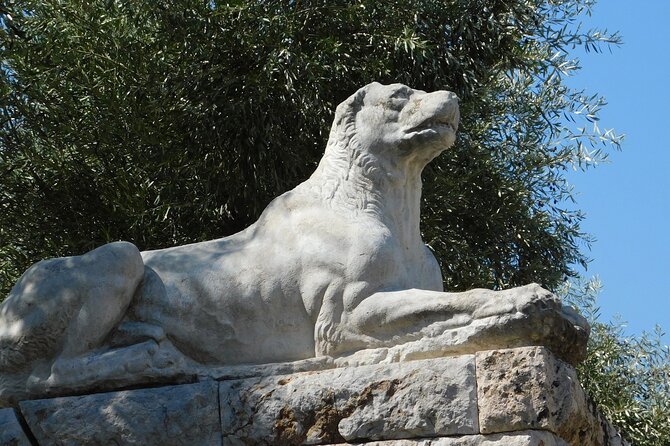
Allow about 30 minutes at the archaeological site. You can see funerary monuments, sections of the city walls, and the remains of the Dipylon Gate. The setting is quieter than central Athens, which helps you picture the old processions without the noise and crowds around the Acropolis.
The cemetery is especially useful for understanding ancient attitudes toward family, status, and death. Look closely at the carved grave monuments and the objects displayed in the small museum. These are not abstract pieces of classical art. They offer glimpses of ordinary Athenians, their families, their work, and the way they wanted to be remembered.
The route description also gives separate short stops at the Dipylon Gate and the Pompeion. The Dipylon was the main entrance to ancient Athens and an important point for ceremonial processions. The Pompeion was used for preparations connected with the Panathenaic procession, so it helps explain how public ceremony and religious life shaped the city.
The short timing is a limitation. You are unlikely to study every monument at length. If Kerameikos is your main interest, tell the driver at the start and ask how much time can be given to the site.
From city walls to the Sacred Way
The next part of the outing follows scattered remains of the ancient road. At the Eleonas Metro area, you can see remnants linked to an old bridge over the Kifisos River. Three surviving piers suggest a bridge with at least five arches.
This is a quick, ten-minute stop, and it is best understood with an explanation from the driver rather than as a dramatic standalone ruin. The bridge mattered because pilgrims, merchants, and other visitors needed to cross the river on their way west. Its location also shows how practical engineering supported a religious route.
Another brief stop in Aigaleo focuses on the Sacred Way itself. You will not be walking a long, unbroken ancient road. Instead, you see fragments and sections within the modern city. Still, the connection is valuable: the same route carried sacred objects, hymns, and processions toward Eleusis.
This is where a good driver-guide makes a difference. Pericles is specifically associated with lively storytelling about the route and its myths, while Dimitris is praised for making the Telesterion and ancient rituals easier to understand. The service remains informal, though. The driver is not a licensed guide walking inside every archaeological enclosure.
Daphni Monastery brings Byzantine Greece into the day
The Monastery of Daphni is one of the most rewarding changes of mood on this tour. Built in the 11th century, it sits along the old Sacred Way and is recognized as a UNESCO World Heritage Site.
Plan on about 30 minutes. The great attraction is the Byzantine decoration, especially the image of Christ Pantocrator in the dome. After several ancient sites, the monastery gives you a clear reminder that the route remained sacred long after the classical Greek world had passed.
The monastery is also a practical stop. It offers shade, a quieter setting, and a visual break from stones and foundations. Ancient Greece often gets all the attention in Athens, but this Byzantine monument adds another important chapter to the region’s religious story.
The provided information lists admission here as free. Opening conditions can change, so it is sensible to confirm access when booking, especially if this stop is high on your list.
Same place, a different kind of splurge:
- Premium Delphi Day Trip with an Expert Guide, Museum & Lunch
★ 4.5 · 1,100 reviews - Athens Pub Crawl with 1hr Open Bar & VIP Nightclub Access
★ 4.7 · 794 reviews - Athens Pub Crawl with 1hr Open Bar & VIP Nightclub Access
★ 5.0 · 486 reviews - PREMIUM Semi-Private Athens Afternoon Food Tour & Wine Tasting
★ 5.0 · 363 reviews
A brief look at the Sanctuary of Aphrodite
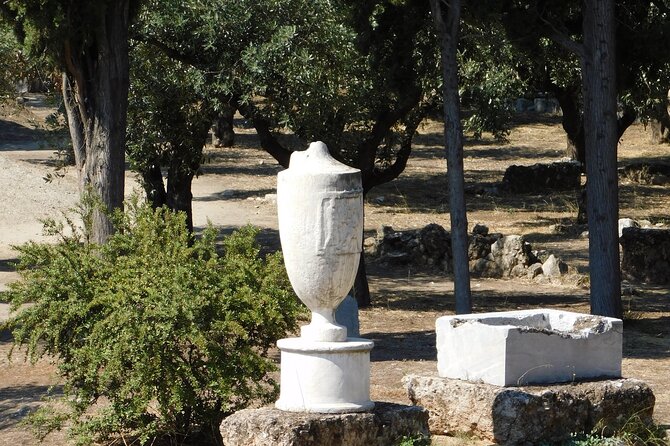
Near Skaramagkas, the route passes the remains of a sanctuary dedicated to Aphrodite. The site was linked to the Sacred Way and ancient religious movement between Athens and Eleusis.
Access depends on the day. The interior is open to the public on weekends. On weekdays, the stop is from outside, with time for photographs and a look at the setting.
This is a small stop, not a major ruin complex. Think of it as a useful piece of the route rather than a destination that requires a long visit. If you are visiting on a weekday, keep expectations modest.
The Roman bridge before Eleusis
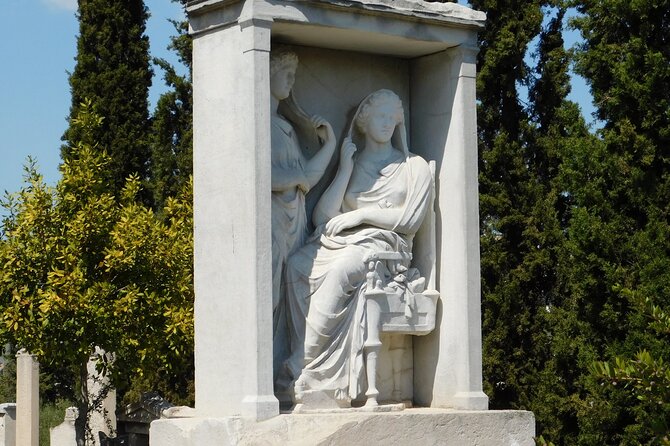
About one kilometer east of the Sanctuary of Demeter, you stop at an ancient Roman bridge built during the reign of Emperor Hadrian, around 125 CE. It stretches about 50 meters and is made from Piraeus limestone.
The surviving structure has four arches, with wider openings in the middle and narrower ones at the ends. The bridge connected the Sacred Way with the Eleusinian Kephisos River and shows how the route continued to function under Roman rule.
Only about ten minutes are scheduled here. That is enough to see the bridge and hear its basic story, but not enough for a slow architectural study. Comfortable shoes still matter, since several stops involve uneven ground and short walks.
Eleusis: the spiritual heart of the route
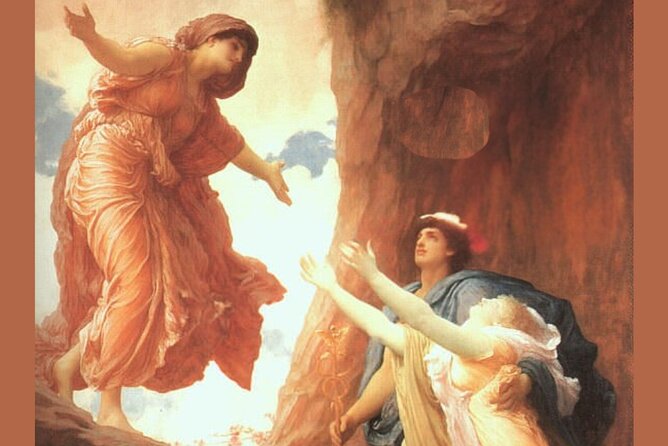
The Sanctuary of Demeter and Persephone is the clear climax. Eleusis was the destination for initiates taking part in the Eleusinian Mysteries, among the most important religious ceremonies of the ancient Greek world.
The site is not presented as a single intact temple. It is a large group of ruins, gateways, walls, steps, caves, and foundations. Your driver can explain the layout and the myths, but an official archaeological guide would provide more detailed interpretation inside the site.
The Great Propylaea was the monumental entrance. Built in the second century CE under Marcus Aurelius, it echoed the Propylaea on the Acropolis. Its purpose was symbolic as well as practical: passing through the gateway marked a move from the ordinary world into the sacred precinct.
The Kallichoron Well is tied to the story of Demeter searching for Persephone. Its name means well of the beautiful dances, and ancient tradition connects it with women who danced there to comfort the goddess. The site is modest in physical scale, but its mythic importance gives it weight.
The Ploutonion is associated with Hades, or Plouton, and the return of Persephone from the Underworld. The rocky cave is one of the most evocative places at Eleusis, though you should not expect a large cavern or a dramatic underground tour. It is a symbolic spot within the sanctuary.
The Telesterion was the great initiation hall at the center of the Mysteries. Its ruins do not reveal the secret rites, which were kept from outsiders in antiquity. That silence is part of the appeal. You can understand the setting, scale, and religious importance without pretending to know what initiates were sworn not to disclose.
Around 30 minutes is listed for the main Eleusis site and museum, with additional short stops for the Great Propylaea, Kallichoron Well, Ploutonion, and Telesterion. In practice, the exact balance may depend on opening hours, walking speed, and how much time your group wants in the museum.
The Eleusis museum fills in what the ruins cannot
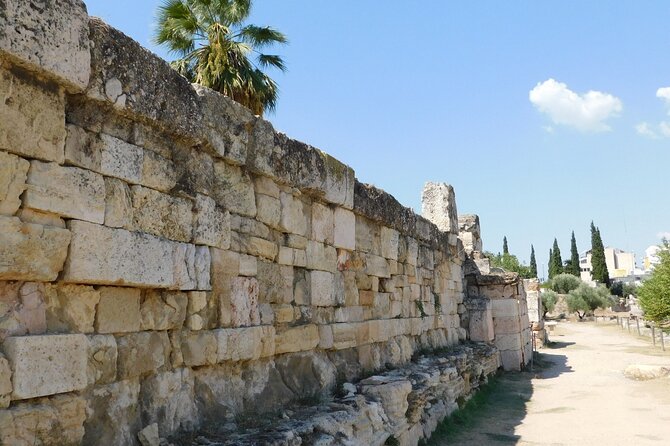
The Archaeological Museum of Eleusis is essential if you want the site to make sense. The ruins give you scale and atmosphere, while the museum supplies statues, reliefs, pottery, offerings, and other objects connected with the sanctuary.
Look for pieces related to Demeter, Persephone, and the ceremonies held at Eleusis. The exhibits help turn a confusing collection of stone foundations into a working religious center with priests, pilgrims, rituals, and offerings.
Thirty minutes is listed for the museum. That is enough for the main highlights but not for a slow reading of every display. Since the museum and archaeological site have separate entrance costs from the tour, include both in your budget.
Printed guides may be provided, and they can help when you are exploring without an official guide inside. Still, if you want detailed answers about chronology, architecture, and the Mysteries, arrange for a licensed guide separately or confirm exactly what commentary your driver will provide.
Lunch in Eleusis keeps the day grounded
After the ruins, the tour schedules about 45 minutes at a traditional taverna in Eleusis. Lunch is not included, but this is a useful part of the experience rather than an awkward add-on.
You may find familiar Greek dishes such as grilled meats, salads, tzatziki, eggplant spread, and other local specialties. The meal gives you time to sit down, cool off, and talk through what you have seen.
Do not treat the lunch stop as a fixed tasting menu. The information only promises a traditional taverna stop, with food paid separately. If you have dietary needs, ask what choices are available before ordering.
What $129 gets you, and what it does not
At $129, this tour offers a practical way to reach several sites that are awkward to connect independently. You get private transport, hotel or port pickup, bottled water, air conditioning, WiFi, and a vehicle reserved for your group.
Groups of one to four use a luxury sedan. Groups of five to seven use a minivan. That small-group setup is the main value. You avoid a large coach, keep your belongings with you, and can ask for a slower pace at a favorite stop.
But the price does not cover archaeological entrance tickets, museum admission, lunch, gratuities, or an official licensed guide inside the sites. Optional airport pickup costs extra as well.
This means the tour is best viewed as a private route with historical commentary, not as a fully guided archaeological program. One critical point is worth spelling out: the driver may explain the history before or between stops, but may not accompany you inside as a licensed guide.
Who should book this experience?
I would recommend it to a couple, family, or small group that wants to see Eleusis without arranging several separate transfers. It suits people who enjoy mythology, ancient religious sites, and short visits connected by a comfortable vehicle.
It is also a good choice if you are staying near Athens or arriving at the port and want an outing beyond the city center. The pickup service removes much of the planning work.
I would hesitate if your main goal is a slow, scholarly study of Kerameikos or Eleusis. The schedule covers many stops in five to six hours, and the listed time at the main sites is fairly short. In that case, pay for a licensed guide and ask for a more focused itinerary.
Wear shoes suitable for uneven archaeological ground. Bring a hat, sunscreen, and water, even though bottled water is supplied. Greece can be hot, and several stops are outdoors with little shade.
Free cancellation is available when you cancel at least 24 hours before the start time. Changes or cancellations within 24 hours are not refunded, and poor weather may lead to a new date or a full refund.
Should you book the Sacred Way tour?
Book it if you want the convenience of a private car, a personal driver-guide, and a route that reaches Eleusis without a long planning session. The strongest parts are the connection between Kerameikos and Eleusis, the personal storytelling associated with drivers such as Pericles and Dimitris, and the variety of ancient and Byzantine sites.
Before paying, ask two direct questions: Which entrance tickets should you budget for, and will a licensed guide accompany you inside the archaeological sites? If the answer confirms the driver-only format, book with realistic expectations.
For a flexible introduction to the Sacred Way, the price can make sense. For intensive archaeological interpretation, it is better treated as transportation and orientation, with a separate guide added.
FAQ
How long does the private tour last?
The experience lasts approximately five to six hours, including travel time between the sites.
Where can pickup and drop-off take place?
Pickup and drop-off are available at your Athens hotel or cruise ship port. Airport pickup is optional and costs extra.
What type of vehicle is used?
Groups of one to four people travel in a luxury sedan. Groups of five to seven use a comfortable minivan.
Are entrance fees included?
No. Entrance fees for archaeological sites and museums are not included in the tour price.
Is a licensed guide included inside the archaeological sites?
No. The tour includes an English-speaking driver-guide, but not a licensed guide accompanying you inside the archaeological sites.
Is lunch included?
No. A lunch stop at a traditional taverna in Eleusis is scheduled, but you pay for your own meal.
Is the tour private?
Yes. Only your group participates in the activity.
What happens if the weather is poor?
The experience requires good weather. If it is canceled because of poor weather, you can receive a full refund or choose a different date.
Just added around Athens
- VIP – Day Cruise From Athens to Hydra Poros Aegina★ 4.5 · 28 reviews
- VIP Private Guided Tour of Athens Acropolis & Plaka in a Sidecar★ 5.0 · 108 reviews
- Athens: Premium Guided E-Scooter Tour in Acropolis Area★ 5.0 · 133 reviews
- VIP Day Cruise from Athens to Hydra, Poros and Aegina★ 4.5 · 58 reviews
- Private Luxury Powerboat Day Tour in Athens★ 5.0 · 36 reviews
- Private Sunset Sounio By Athenian Riviera With Acropolis Visit★ 4.5 · 27 reviews
- Private Luxury Tour: Unveiling the Sacred Mysteries of Eleusis★ 5.0 · 45 reviews
- Private Luxury Tour: Delphi & Thermopylae – The 300’s Legacy★ 5.0 · 26 reviews
Athens VIP Tours, compared.
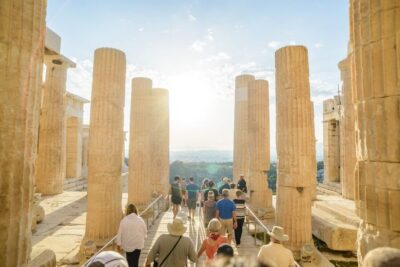
Acropolis: Premium Acropolis and Parthenon Guided Tour
Read our review →
Luxury Catamaran Cruise from Athens with Traditional Greek Meal and BBQ
Read our review →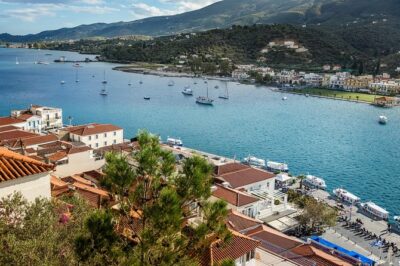
Hydra, Poros and Egina Day Cruise from Athens with Optional VIP Upgrade
Read our review →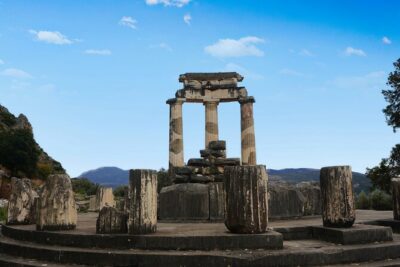
Premium Delphi Day Trip with an Expert Guide, Museum & Lunch
Read our review →
Athens Pub Crawl with 1hr Open Bar & VIP Nightclub Access
Read our review →Athens Pub Crawl with 1hr Open Bar & VIP Nightclub Access
Read our review →
PREMIUM Semi-Private Athens Afternoon Food Tour & Wine Tasting
Read our review →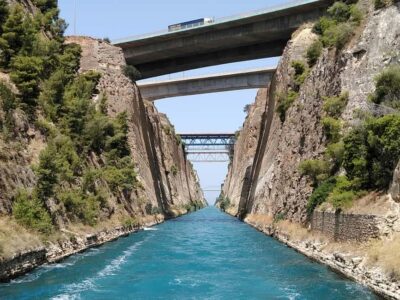
Athens: Corinth Canal, Mycenae & Nafplio Premium Guided Tour
Read our review →Browse the lists this tour appears in